
Neuronal Models Symposium (NeuMoS) 2026
Organoids, NAMs, and Neural Circuit Assays for Disease and Drug Discovery
Place
Date
The Neuronal Models Symposium (NeuMoS) brings together the community advancing the future of in-vitro neural systems across neuroscience, cell biology, disease modeling, drug discovery, and biocomputing.
Over three days, the event will feature cutting-edge scientific talks, hands-on workshops, and stimulating discussions designed to spark new ideas and meaningful exchange.
Building on the success of previous MxW Summit editions, this year’s meeting features an expanded scope and updated identity. The new name reflects a deliberate evolution of the symposium, aiming to capture the full ecosystem of in-vitro neuronal network research.
Guided by a dedicated scientific committee, the Symposium offers a unique opportunity to connect with researchers, innovators, and industry leaders driving the next generation of neuroscience research.
Speakers Lineup
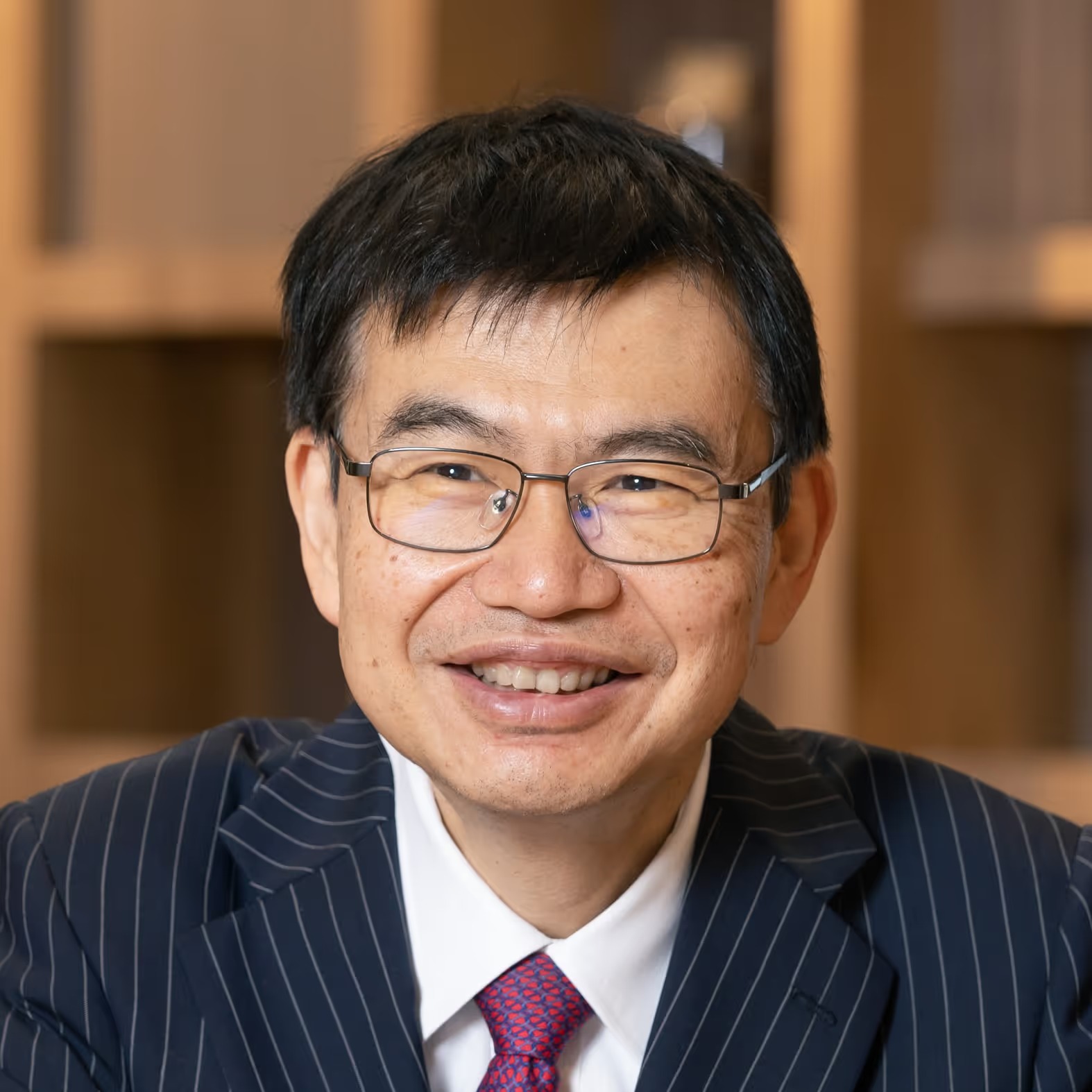
Hideyuki Okano received his M.D. in 1983 and Ph.D. in Medical Science in 1988, both from Keio University. Following a postdoctoral fellowship at the Johns Hopkins University School of Medicine, he became a Professor at the Tsukuba University (1994) and the Osaka University (1997). He returned to Keio University in 2001. He served as a Dean of the Keio University School of Medicine and Graduate School of Medicine from 2007 to 2021 and was appointed Visiting Professor at MIT in 2022. He is currently the Director and Distinguished Professor of Keio University Regenerative Medicine Research Center. He has received numerous honors, including the Medal with Purple Ribbon (2009), the Erwin von Bälz Prize (2014), and the Uehara Prize (2022). In July 2025, he became the president of the International Society for Stem Cell Research (ISSCR). His current research focuses on stem cell therapies for spinal cord injuries, as well as iPSCs-based modeling and drug development for neurodegenerative diseases such as ALS and Alzheimer’s disease.
Human iPSC-Based Neuronal Models for ALS Disease Modeling, Drug Discovery, and Reverse Translation
Human induced pluripotent stem cell (iPSC) technology offers a transformative approach to neurological disease modeling and drug discovery by shifting the starting point of therapeutic development from animal models to human patient-derived cells. This is particularly important for amyotrophic lateral sclerosis (ALS), a clinically and genetically heterogeneous disorder in which many compounds effective in rodent models have failed in clinical trials. Patient-derived iPSCs preserve individual genetic backgrounds and disease risk architectures, enabling “disease in a dish” and, more broadly, “humanity in a dish” as a platform for precision medicine.
In this lecture, I will present our iPSC-based strategy for ALS disease modeling and drug discovery. We established robust protocols to generate spinal motor neurons from ALS patient-derived iPSCs and used these cells to recapitulate disease-relevant phenotypes, including neurite degeneration, mitochondrial dysfunction, oxidative stress, and neuronal hyperexcitability. Screening 1,232 compounds using ALS iPSC-derived motor neurons led to the identification of ropinirole hydrochloride, an approved dopamine D2 receptor agonist for Parkinson’s disease, as a candidate anti-ALS drug. Mechanistic studies showed that ropinirole acts through both D2 receptor-dependent and -independent pathways, including suppression of oxidative stress and modulation of mitochondrial function.
Beyond these mechanisms, our reverse translational studies have revealed a disease pathway linking cholesterol biosynthesis, RNA editing, and motor neuron excitability. Transcriptomic analyses of ropinirole-treated ALS motor neurons indicated suppression of SREBF2-dependent cholesterol biosynthesis. In sporadic ALS iPSC-derived lower motor neurons, cholesterol synthesis-related enzymes were elevated, particularly in ropinirole-responsive lines, suggesting that dysregulated lipid metabolism may define a therapeutically relevant ALS endotype. Ongoing studies further suggest that increased cholesterol biosynthesis can reduce ADAR2 expression and impair A-to-I RNA editing of GRIA2/GluA2, a critical mechanism controlling AMPA receptor calcium permeability. Reduced editing may therefore increase calcium influx, promote motor neuron hyperexcitability, and contribute to degeneration. High-density microelectrode array recordings support this model by demonstrating abnormal firing activity in ALS neurons and its modulation by ropinirole.
Finally, I will discuss how iPSCs derived from participants in the ROPALS phase 1/2a clinical trial enabled reverse translational research linking in vitro drug responsiveness with clinical progression. I will also introduce cortical–spinal assembloids and organoid-based neural circuit assays as next-generation models for integrating dying-forward and dying-back mechanisms in ALS.
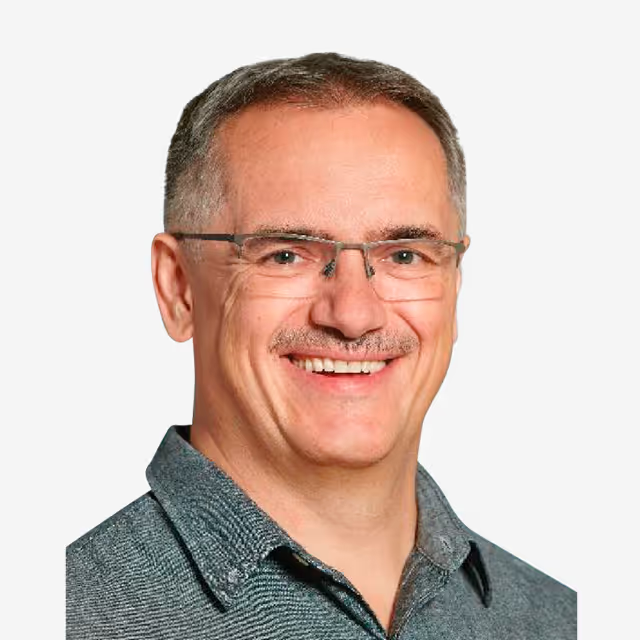
Janos Vörös is a Professor in the Institute for Biomedical Engineering of the University and ETH Zurich (Department for Information Technology and Electrical Engineering) heading the Laboratory for Biosensors and Bioelectronics since 2006. János Vörös has studied Physics at the Eötvös Loránd University in Budapest. After receiving a diploma in Physics in 1995, he was a doctoral student at the Department of Biological Physics of the Eötvös University (in collaboration with Microvacuum Ltd.) where he received his PhD in Biophysics in 2000. Since 1998 he was a member of the BioInterface group in the Laboratory for Surface Science and Technology at the Department of Materials of ETH Zurich as visiting scientist, postdoc, and from 2004 as group leader of the Dynamic BioInterfaces group until 2006. Prof. Vörös is interested in research and teaching in the areas of bioelectronics, biosensors, and neuroscience. His group focuses on the development of novel biosensor techniques for diagnostics and single molecule sequencing; on bottom-up neuroscience; as well as on stretchable biohybrid electronic devices.
Interacting with Neuron Microcircuits 24/7
Networks of neurons fascinate people because we all have them in our heads but we understand them very little. This talk will introduce how PDMS multicompartment microstructures can be used to build neuron microcircuits on HD-MEAs that allow for both stimulating and recording of their activity. A lid with an embedded water compartment assures 100% humidity while a simple custom incubator allow for 24/7 uninterrupted operation over 40 days with a single media exchange (Maurer, et al., 2026). This allows for a closed-loop optimization of stimulation paradigms to achieve specific performace-goals using reinforcement learning (Clément, et al., 2026). The microstructures are compatible with human induced pluripotent stem cells providing an opportunity to address some of the challenges related to investigating the nervous system and its diseases. Three examples of disease models will be introduced:
- The nociceptory system that is often involved in chronic pain can be replicated to study how the dorsal root ganglia modulate signal propagation from the skin towards the dorsal horn (Clément, et al., 2026).
- The system also allows for observing how glioblastoma-axon interaction causes epileptic behavior in networks of healthy neurons.
- A six-layer hierarchical model of the cortex can be used to study how progerin-induced aging influences the response of the network to amyloid-β exposure (Küchler, et al. 2026).
The custom tools (hardware and software) presented in this talk are all publicly available and we are happy to help scientists to implement them in their own labs.
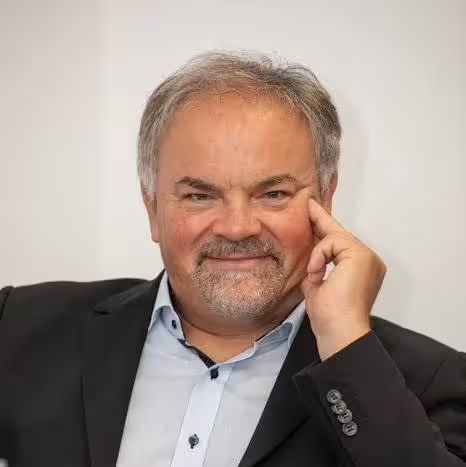
Juergen Knoblich is deputy scientific director at the Institute of Molecular Biotechnology of the Austrian Academy of Sciences (IMBA) and Professor at the Medical University in Vienna. Originally trained as a Drosophila researcher, his research focuses on the development of the human brain and the study of neurodevelopmental disorders. He received his PhD from the University of Tübingen and postdoctoral training in the laboratory of Lily and Yuh-Nung Jan at UCSF, San Francisco. In 2013, the Knoblich group has established cerebral organoids, a groundbreaking new technology that allows reconstitution of human brain development starting from patient iPS cells at unprecedented detail. They have used this system for modelling various neurodevelopmental disorders human brain tissue. They were able to screen through entire sets of disease genes relevant for autism spectrum disorders and could demonstrate that neurodevelopmental disorders can arise from cell types not found in animal models.
Cerebral Organoids: Growing human brain tissue from stem cells to study development and disease
The human brain is unique in both its size and complexity. The development of this remarkable organ involves biological processes that are absent or greatly expanded compared to those of most other species. To study these human-specific aspects of brain development, we developed cerebral organoids—three-dimensional stem cell-derived cultures that recapitulate key features of human brain development in vitro. Using this technology, we have identified developmental processes unique to humans, uncovered mechanisms underlying neurological disorders, and reconstituted functional neural network activity in the laboratory (Lancaster et al., Nature 2013; Esk et al., Science 2020; Eichmüller et al., Science 2022; Li et al., Nature 2023).
My presentation will focus on our most recent findings. We have developed organoid models that capture human-specific stages of brain development and reproduce disease-associated abnormalities at the circuit level. I will present our efforts to combine electrophysiology with barcoded connectomics at single-cell resolution to investigate how neural network activity and network architecture are altered in epilepsy. Finally, I will outline how barcoded prime-editing screens enable the systematic functional interrogation of genetic variants that differentiate Homo sapiens from Neanderthals, providing insights into the genetic basis of human brain evolution.
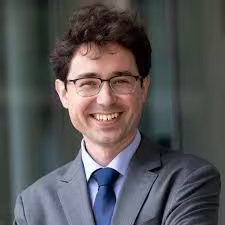

Dr. Ranmal Samarasinghe is an Assistant Professor of Neurology at the David Geffen School of Medicine at UCLA, with clinical interests in epilepsy, autism, and neurophysiologic intraoperative monitoring. He received his medical degree and doctorate from the University of Pittsburgh and completed residency training in adult neurology, postdoctoral research, and a clinical fellowship in neurophysiology, all at UCLA.
His laboratory develops and applies human iPSC-derived brain assembloid models to study neural circuit formation and its disruption in neurological disease. Using a combination of two-photon calcium imaging, local field potential recording, and high-density microelectrode arrays, his group interrogates network dynamics across a spectrum from neurodevelopmental disorders — including Rett syndrome and SCN8A channelopathy — to neurodegeneration. Recent work has extended these approaches to model anesthetic mechanisms and tau pathology in assembloid systems, with findings that recapitulate in vivo electrophysiological signatures of disease. A unifying theme across this research is the use of circuit-level activity as a readout for understanding how molecular and cellular pathology translates into network dysfunction, with direct implications for therapeutic discovery.
Contextualizing molecular pathology through network dynamics in human brain assembloids
A central challenge in translational neuroscience is bridging the gap between molecular pathology and clinically meaningful dysfunction. I will present a network-centric framework for this problem, using electrophysiological and optical recordings from human iPSC-derived brain assembloids across a progression from neurodevelopmental disease to neurodegeneration. Beginning with cortical-subcortical assembloids in Rett syndrome — where two-photon imaging and local field potential recordings first revealed epileptiform network dynamics in MeCP2-deficient circuits — I will trace how this approach has evolved in scope and resolution. Work in hippocampal assembloids extended LFP-based analysis to region-specific circuit identity and its disruption in channelopathy. More recently, high-density MEA recordings have enabled single-unit resolution in assembloid systems, illuminating network-level mechanisms of anesthetic action and, most strikingly, revealing how tau pathology dismantles ensemble coordination in ways that recapitulate in vivo signatures of neurodegeneration. Across these models, a consistent picture emerges: circuit dynamics integrate and amplify molecular and cellular changes, making them a privileged and translationally grounded readout for both disease modeling and therapeutic discovery.
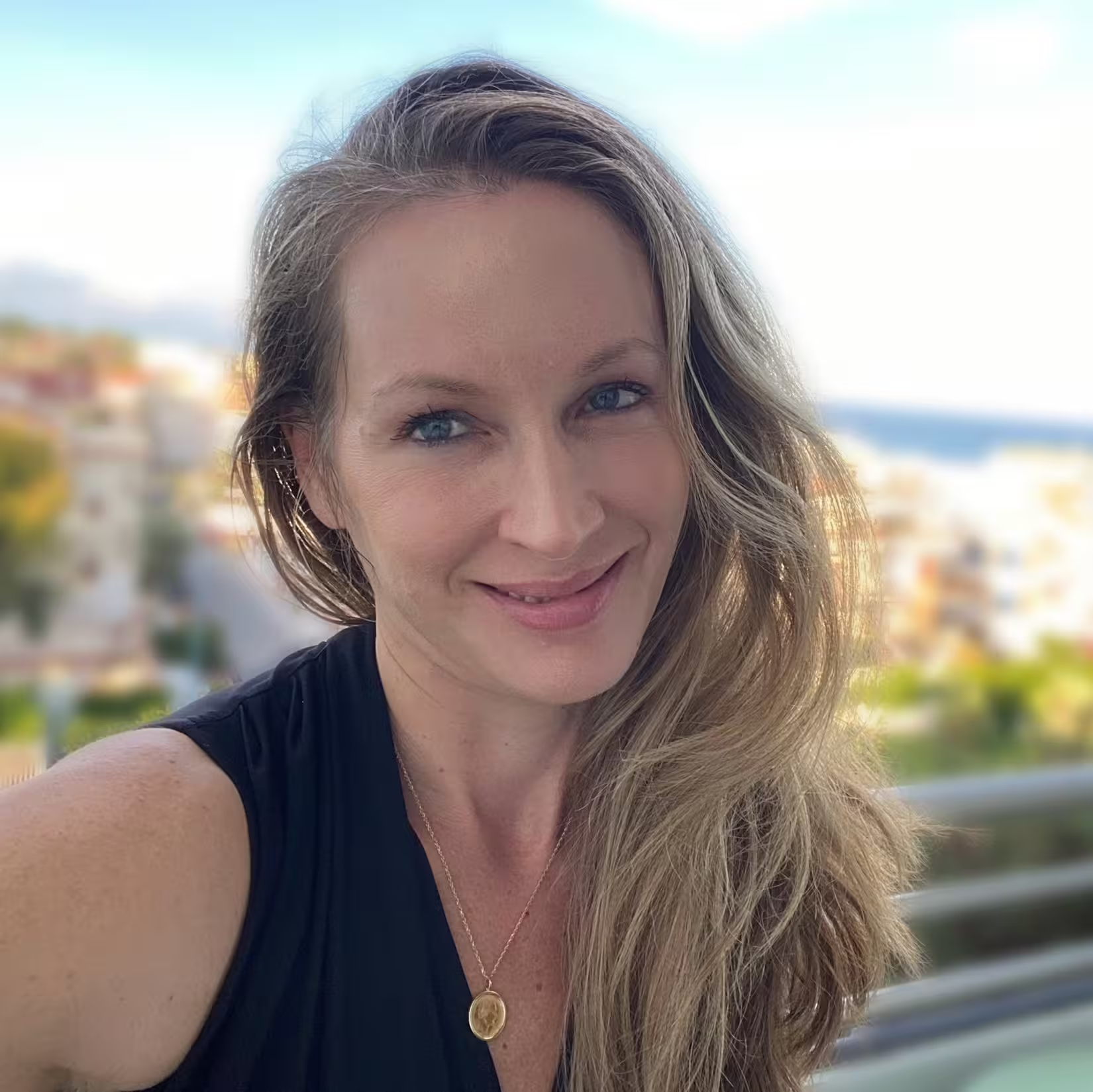
Dr. Keri Martinowich is Chief Scientific Officer and Senior Investigator at the Lieber Institute for Brain Development, where she oversees scientific strategy and research integration for the Institute, and Professor of Psychiatry and Behavioral Sciences at the Johns Hopkins University School of Medicine. She received a B.A. in International Relations from George Washington University and a Ph.D. in Neuroscience from the University of California, Los Angeles, followed by postdoctoral training in translational neuropsychiatry at the National Institute of Mental Health. Dr. Martinowich leads a research program focused on defining the molecular and circuit-level architecture of the human brain and its disruption in neuropsychiatric and neurodegenerative disease. Her laboratory integrates spatial transcriptomics, single-cell genomics, computational biology, and experimental model systems to investigate how gene expression programs are organized across cell types, microenvironments, and interconnected brain circuits. Her work emphasizes the use of postmortem human brain tissue to identify molecular and genetic signatures associated with disease vulnerability, with complementary translation into human iPSC-based models and rodent systems. Through these efforts, her research aims to bridge molecular, cellular, and systems-level mechanisms to advance understanding of complex brain disorders and enable development of biologically informed therapeutic strategies.
Human Spatial Genomics to Stem Cell Models: Circuit Vulnerability in Alzheimer’s Disease
Selective vulnerability of interconnected neural circuits is a defining feature of Alzheimer’s disease (AD), yet the molecular programs linking genetic risk to early circuit dysfunction remain poorly understood. The locus coeruleus (LC) and entorhinal cortex (ERC) are among the earliest brain regions affected in AD, exhibiting early accumulation of phosphorylated tau pathology prior to widespread neurodegeneration and cognitive decline. However, how molecular vulnerability emerges across connected brain regions, and how these processes can be modeled experimentally, remains unclear. To address this, we generated paired spatial transcriptomic and single-cell datasets across the LC–ERC circuit using postmortem human brain tissue from middle-aged donors stratified by APOE genotype, ancestry, and sex. In the LC, we identified APOE- and ancestry-associated alterations in astrocytic and neuromelanin-associated transcriptional programs linked to aging, lipid metabolism, oxidative stress, and neuronal vulnerability. In the ERC, AD risk-associated transcriptional changes localized predominantly to oligodendrocyte populations and white matter-associated spatial domains, suggesting disrupted myelination and glial support programs prior to overt disease onset. Because these datasets were generated from the same donors, ongoing work integrates molecular profiles across regions to define circuit-level programs associated with AD risk and early vulnerability. To translate these findings into experimentally tractable systems, we are generating donor-derived induced pluripotent stem cell (iPSC) models from matched postmortem donors used in the human brain studies. These include LC-like noradrenergic neurons, astrocytes, and emerging multicellular systems designed to model region-specific cellular interactions relevant to AD vulnerability. Using these platforms, we are investigating how APOE-associated molecular programs influence neuromelanin accumulation, cellular activity, and glial interactions. Together, these studies establish a framework integrating human spatial genomics with stem cell-based neural models to investigate mechanisms underlying selective circuit vulnerability in Alzheimer’s disease.
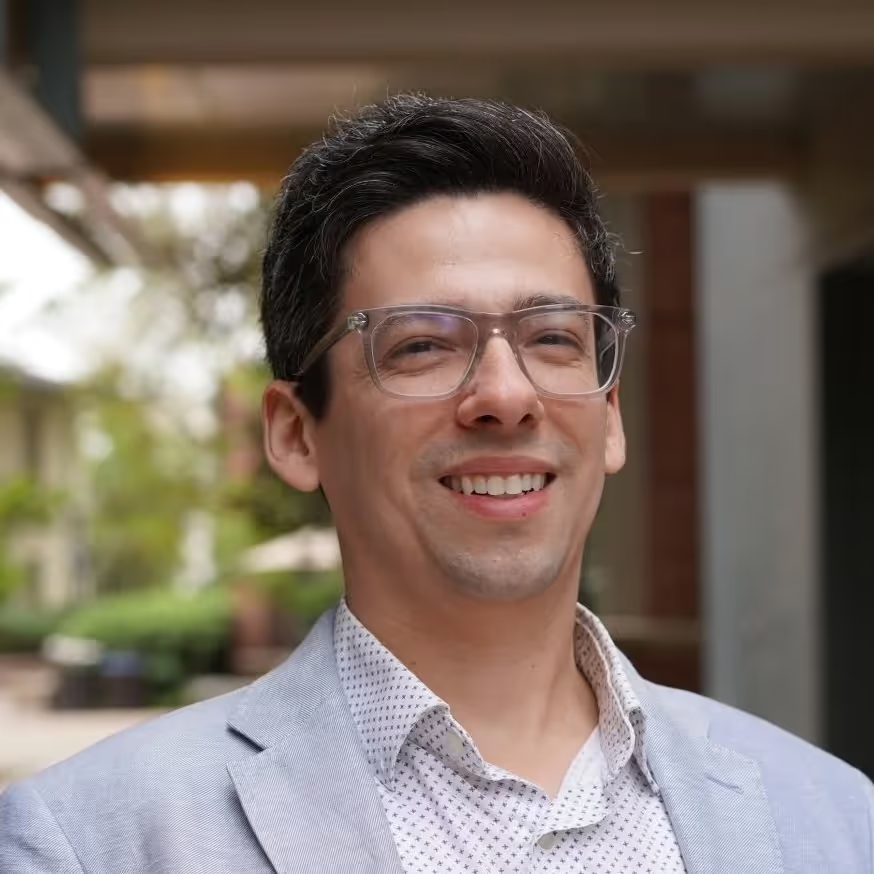
Michael F. Wells, PhD is an Assistant Professor in the UCLA Department of Human Genetics. He earned a PhD in Neurobiology from Duke University in 2015 and completed his postdoctoral training at the Broad Institute in Kevin Eggan’s lab in 2021. During this time, Dr. Wells co-developed the cell village platform that enables high throughput investigations of human genetic, molecular, and cellular phenotypic variation in shared in vitro environments. His research program at UCLA leverages this technology to understand the mechanisms underlying neurodevelopmental disorders of genetic and environmental origin, and is funded by the National Institutes of Mental Health, the Simons Foundation, and the California Institute for Regenerative Medicine.
Village-based proliferation and viability assays
The capacity of cells to proliferate and survive is central to development and disease. Assays that measure cell fitness are therefore a cornerstone of biology, but traditional techniques lack donor diversity and have high technical variability that impedes scale and reproducibility. To overcome these barriers, we designed and validated a “cell village”-based fitness screening approach using pooled cultures of 12–39 genetically distinct human neural progenitor cell (NPC) lines. We also developed Townlet to establish a foundational statistical framework based on Dirichlet regression for analyzing proportional data from cell villages. Applying these systems, we identified hyperproliferation in NPCs harboring the autism risk factor chromosome 16p11.2 deletion, mapped common genetic variants near ZFHX3 associated with NPC proliferation rate, and discovered genetic modifiers of lead (Pb) sensitivity implicating ARNT2. Together, these experimental and analytical tools advance a scalable, genetically diverse in vitro platform for dissecting human variation in cell fitness and gene-environment interactions.
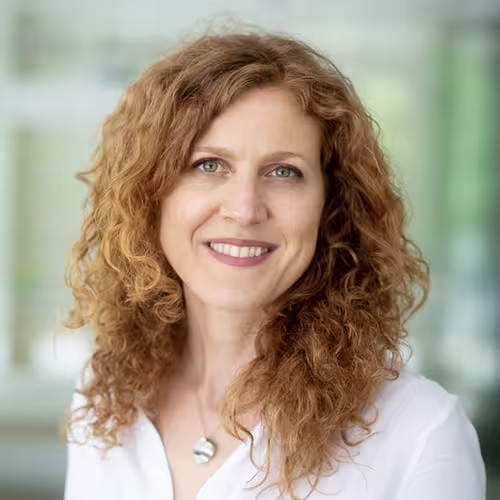
A/Prof. Silvia Velasco leads the Neural Stem Cells Laboratory at the Murdoch Children's Research Institute and is a Principal Investigator at the Novo Nordisk Foundation Center for Stem Cell Medicine (ReNEW) in Melbourne. Her laboratory uses pluripotent stem cell-derived neural organoid models to investigate human brain development and neurological diseases, with the aim of developing safe and effective therapies. A/Prof. Velasco completed postdoctoral training at New York University and the Broad Institute of MIT and Harvard and holds a PhD in Human Biology from the University of Turin.
Brain organoids as platforms for understanding and treating neurological disorders.
Stem cell-derived neural organoids provide a powerful opportunity to study human brain development and disease. We enhanced the utility of these in vitro systems by establishing highly reproducible organoid models that support long-term development and maturation of diverse brain cell types. Using these organoid models in combination with single-cell multi-omic approaches, we investigated cell-type-specific abnormalities associated with neurodevelopmental and neurodegenerative disorders. Finally, we leveraged the reproducibility of these models to develop automated high-throughput organoid screening platforms, enabling the integration of brain organoids into drug discovery pipelines for neurological disorders.
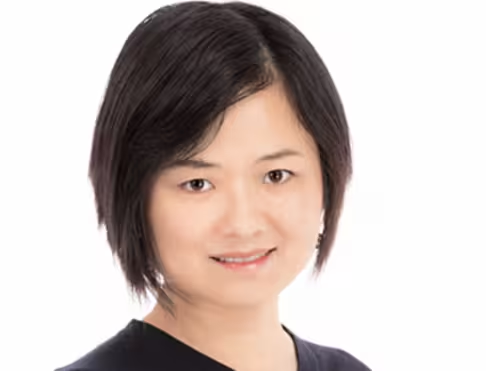
Jen Q. Pan is an Institute Scientist at the Broad Institute of MIT and Harvard and serves as Director of Translational Neurobiology at the Stanley Center for Psychiatric Research. Her research focuses on understanding how dysfunction of genes implicated in psychiatric disorders contributes to disease mechanisms in the central nervous system, with the goal of identifying novel therapeutic approaches.
Dr. Pan leads the Global Research Initiative of Neurophysiology of Schizophrenia (GRINS) Consortium, which investigates sleep and wake EEG recordings from individuals with psychiatric disorders to identify and validate electrophysiological biomarkers. She has also led multiple academic–industry collaborations to advance translational neuroscience and therapeutic development.
Her research has been supported by the Stanley Family Foundation, National Institutes of Health (NIH), the CACNA1A Foundation, the BD2, Laders2Cures, and industry partnerships. Dr. Pan received her B.S. in Chemistry from Nanjing University and her Ph.D. in Neuroscience from Brown University.
Human Neuronal Models Reveal XPO7 as a Regulator of Sodium Channel Function and Network Activity
Schizophrenia is a highly heritable neuropsychiatric disorder, yet how genetic risk variants disrupt human neuronal function remains poorly understood. Here, we use human induced pluripotent stem cell (iPSC)-derived neurons as a disease model to investigate the cellular consequences of loss of function (LoF) of XPO7, a schizophrenia risk gene identified through recent large-scale exome sequencing studies. By integrating high-resolution electrophysiology, transcriptomics, quantitative proteomics, and imaging with neuronal network assays, we identify convergent molecular and functional phenotypes linking XPO7 deficiency to impaired neuronal excitability.
XPO7 LoF alters voltage-gated sodium channel dynamics and availability, resulting in abnormal action potential generation and disrupted synchrony and regularity of neuronal network. These physiological abnormalities are accompanied by widespread molecular changes affecting nucleocytoplasmic transport, ion channel regulation, and synaptic composition. Notably, the voltage-gated sodium channel Nav1.2 (SCN2A) exhibits altered subcellular localization in XPO7-deficient neurons, providing a potential mechanistic link between XPO7 dysfunction and impaired neuronal signaling.
Together, our findings establish XPO7 as a critical regulator of neuronal excitability and network function and demonstrate how human iPSC-derived neuronal models and circuit-level phenotyping can bridge schizophrenia genetics to disease mechanisms. These results highlight sodium channel dysfunction as a potentially actionable pathway for therapeutic development in neuropsychiatric disorders.
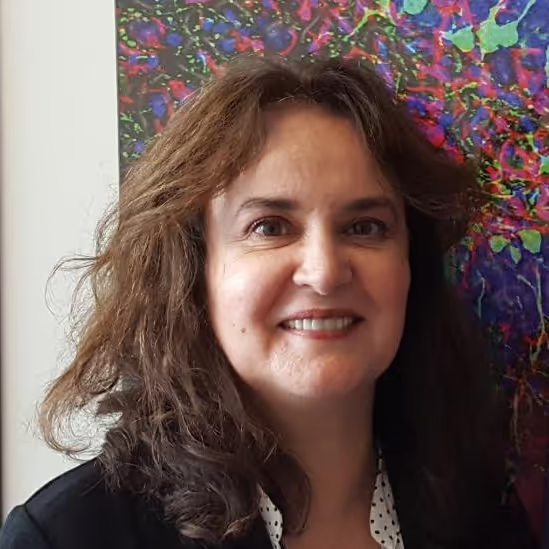
Decoding In Vitro Functional Neural Networks: From Pathophysiological Phenotyping of Brain Organoids to Establishing Novel Models
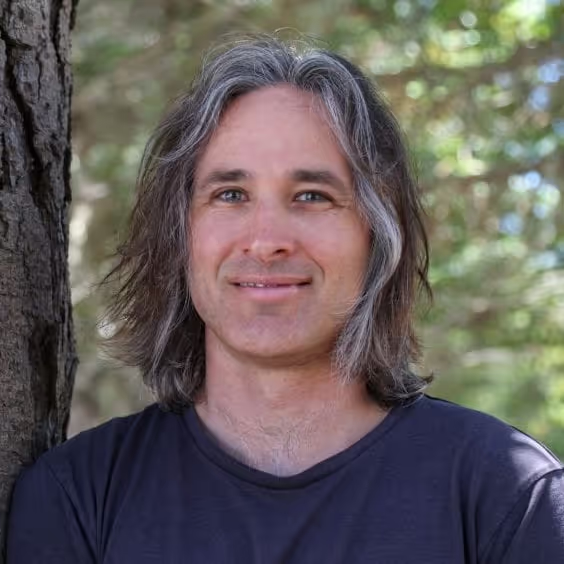
Tal Sharf is an Assistant Professor in the Department of Biomolecular Engineering at UC Santa Cruz. Tal received his BS in Physics at UC Santa Barbara where he studied turbulence in thermally driven convection in the lab of Guenter Ahlers. Tal then pursued doctoral work in the nanoelectronics lab of Ethan Minot at Oregon State University where he developed biosensors based on carbon nanotube and graphene transistors. Inspired by the BRAIN initiative, Tal pursued postdoctoral training under neurobiologist Kenneth Kosik at UC Santa Barbara’s Neuroscience Research Institute where he received the Arnold O. Beckman postdoctoral fellowship award. While at UCSB, Tal generated the first high-resolution map of functional connectivity between neurons in human-iPSC derived brain organoids. In July of 2022 Tal started his lab at UC Santa Cruz where he works at the intersection of physics, biology and computation to understand the assembly and wiring of human brain circuitry.
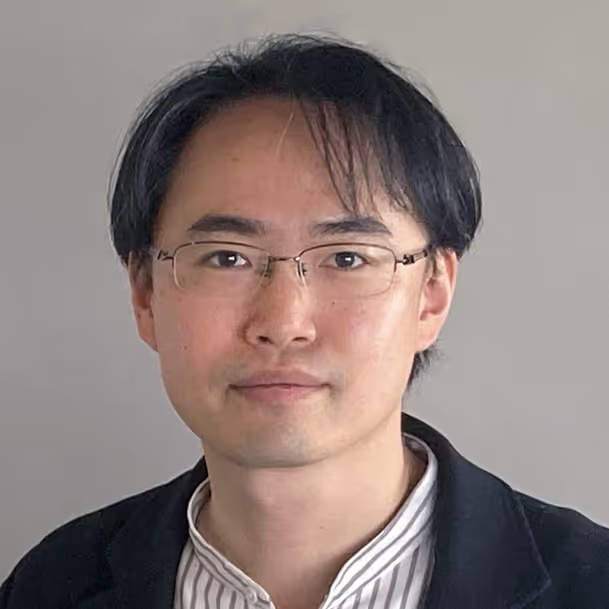
Hideaki Yamamoto is a Professor at the Research Institute of Electrical Communication (RIEC), Tohoku University, Sendai, Japan. He obtained a Ph.D. degree in engineering from Waseda University, Japan, in 2009. He was a JSPS Research Fellow at Tokyo University of Agriculture and Technology, and an Assistant Professor at Waseda University, before joining Tohoku University in 2014. In 2020, he was appointed Associate Professor at the RIEC and was promoted to Professor in 2026. His research interests include the use of engineered neuronal cultures as a model system for understanding brain computation, as well as their applications to brain-inspired computing and biomedicine.
Engineering living neuronal networks: from structure-function relationships to bio-inspired computing
How does the architecture of neuronal networks give rise to robust and energy-efficient computation in the brain? In vitro neuronal networks are effective tools for addressing this question in a physicochemically defined environment. Furthermore, such cell culture technology can be integrated with semiconductor microfabrication to reconstitute networks that more closely resemble the structures in vivo. In this talk, I will demonstrate how protein micropatterns and microfluidic devices can be used as chemical and physical guidance cues to control the growth of cultured neurons. These platforms provide a unique approach for constructively investigating how biological neurons form structured networks and generate high-dimensional dynamics that can be harnessed for bio-inspired computing.
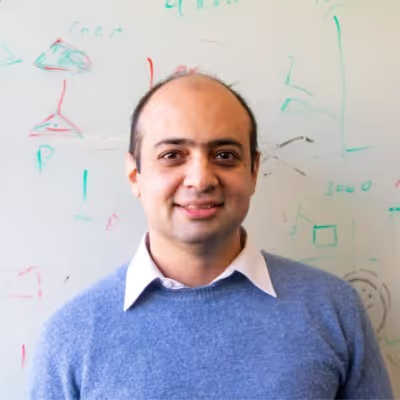
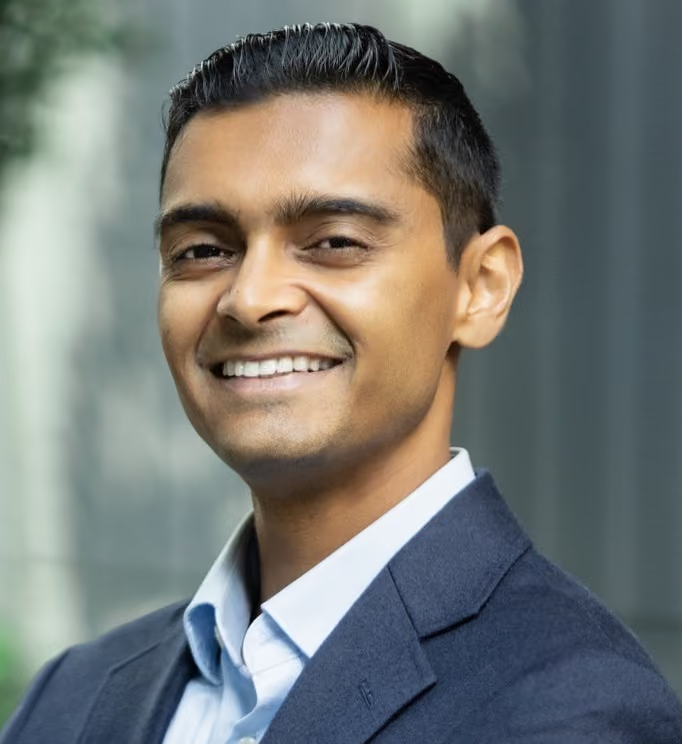
Dr. Arun Sharma, PhD is a stem cell biologist focusing on cardiovascular biology and space biosciences. He is an associate professor at Cedars-Sinai and is the director of the Center for Space Medicine Research. Research in the Sharma laboratory focuses on the applications of human induced pluripotent stem cells (hiPSCs) for modeling cardiovascular disease in-vitro. The lab utilizes hiPSCs, genome editing, cardiac organ-on-chips, and 3D cardiac spheroids/organoids to understand the molecular mechanisms driving cardiovascular disease and heart development. Sharma is also an internationally-recognized leader in the space biosciences field. His laboratory studies the impacts of space on stem cell biology and harnessing microgravity to manufacture unique biomaterials. In 2016, Dr. Sharma led a project that sent human stem cell-derived heart cells to the International Space Station (ISS), the first long-duration cell culture experiment in space. Dr. Sharma and his lab have published articles in leading scientific journals such as Science, Nature Biotechnology, Science Translational Medicine, Circulation Research, Stem Cell Reports, and Cell Stem Cell. He has received numerous awards for his work, including the Sartorius & Science Award in Regenerative Medicine, Forbes 30 Under 30 in Science, the American Heart Association Career Development Award, the Compelling Results Award from NASA, the Igniting Innovation Award from the ISS National Laboratory, and the Donna and Jesse Garber Award for Cancer Research. Dr. Sharma earned his bachelor's degree in biology from Duke University and his PhD in stem cell biology from Stanford University. He completed a postdoctoral research fellowship in cardiovascular genetics at Harvard Medical School.
Stem Cell Research and Biomanufacturing in Space

Sheila Chari, Ph.D, is Editor-in-Chief at Cell Stem Cell and Executive Editor at Cell Press. Her primary responsibilities are knowing and publishing the top stem cell discoveries, driving journal publishing strategy, and managing a global editorial staff. She travels to international scientific conferences and research institutions to be on top of the latest developments and meet with authors, reviewers, and readers. She is a proud member of the stem cell community and an ardent supporter of stem cell research. Sheila holds a doctorate from Northwestern University, where she studied transcriptional control of normal and malignant hematopoiesis. She conducted post-doctoral research on epigenetic regulation of cell fate reprogramming at the University of Chicago. Sheila is based in Los Angeles, California, USA.
Publishing with Cell Press: Inside the Editorial Process
Program & Scientific Topics
The symposium will feature two days of oral sessions, including keynote lectures, invited speakers, and selected short talks from submitted abstracts. The third day will be dedicated to parallel, hands-on workshops focused on practical and emerging methodologies, including microphysiological systems (MPS), spike sorting and data analysis, and organoid culture and plating techniques.
The scientific program is currently being structured around the following tracks:
Brain Development
Disease Modeling
- Drug Discovery
Neurotechnologies & Bio-inspired Computing
Scientific Committee
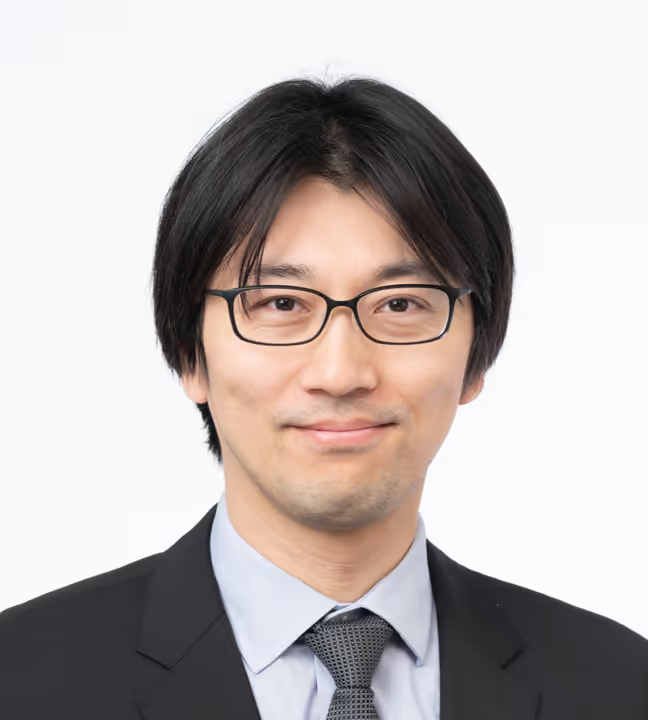
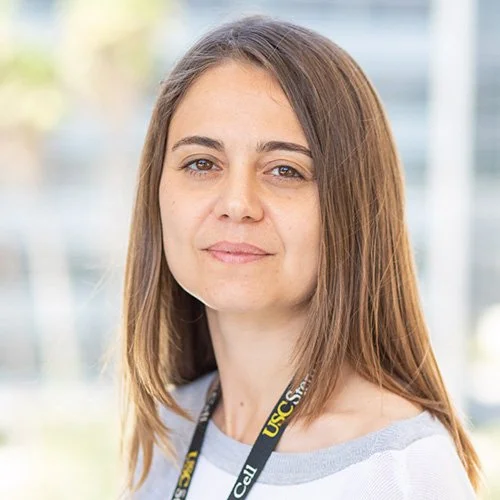
Workshops

On September 18, attendees can choose from several parallel workshop sessions. You will be invited to indicate your preferred workshop in advance. As places for some sessions are limited, allocations will be made based on availability, and we will make every effort to accommodate your preference.
Microfluidic Patterning on High-Density Microelectrode Arrays
Led by: Dr. Benedikt Maurer, Jöel Küchler
Location: Prof. Janos Voros Lab, ETH Zurich
Combining neuronal networks on microelectrode arrays (MEAs) with microfluidic patterning devices enables powerful experimental paradigms that are not achievable with standard planar cultures. Polydimethylsiloxane (PDMS) microstructures can be bonded directly to MaxWell CMOS high-density MEAs, confining cell bodies while allowing neurites to connect through microchannels.
This enables microcircuit formation with restrained connectivity, co-culture systems for multi-region network models, increases throughput, and prevents cell migration for stable, longitudinal recordings. PDMS membrane placement is recorded through an impedance scan, and cells may be introduced either as single-cell suspensions or pre-formed spheroids. Readouts include axonal conduction assays or analysing the information flow through network architectures.
In this workshop, we will demonstrate the mounting procedure of commercial microstructures, present open-source software based on the MaxWell Python API that facilitates recording workflows, introduce open-source hardware for week-long longitudinal recording, and showcase some applications. Participants will further be able to ask questions regarding their specific experimental requirements.
AI-assisted Spike Sorting and Data Analysis with SpikeLab
Led by: Dr. Tjitse van der Molen, Dr. Spencer Seiler and Dr. Kate Voitiuk
Location: MaxWell Biosystems HQ, Zurich
SpikeLab is an AI agent that lets you create and run an entire spike-sorting and analysis pipeline through plain-language instructions, with no coding required. In this workshop you'll learn, through guided demonstrations and hands-on exercises, how to use SpikeLab to automate and accelerate key steps in your pipeline, taking you from raw signals to sorted spikes to manuscript-ready figures without writing a single line of code.
Want to try it on your own data? Bring a laptop with your raw or sorted recording(s).
How to Train your Organoid: an Introduction to BrainDance
Led by: Dr. Mircea Teodorescu, Dr. Ash Robbins
Location: MaxWell Biosystems HQ, Zurich
BrainDance is a powerful, scalable foundation for neural stimulation experiments with live tissue. Its modular design lets you compose experiments like building blocks: mix, sequence, and reuse experimental phases to match the demands of your research without starting from scratch each time. It offers researchers real-time control over stimulation parameters and native integration with MaxWell CMOS HD-MEAs keeping hardware and software in lockstep.
This workshop will serve as a quick start to setting up neural stimulation experiments with BrainDance.
Unlocking Functional Insights From Neural Organoids
Led by: MaxWell Biosystems' Product & Application Team
Location: MaxWell Biosystems HQ, Zurich
Neural organoids derived from human induced pluripotent stem cells (hiPSCs) are emerging as powerful models for studying brain development, disease mechanisms, and drug response. As the field advances, high-resolution tools to assess the functional properties of these models are becoming essential.
MaxWell Biosystems' High-Density Microelectrode Array (HD-MEA) technology meets this need of capturing label-free neuronal activity at the network, single-cell, and sub-cellular levels with robust, reproducible results. The MaxOne (single-well) and MaxTwo (multi-well) platforms are designed to work across a broad range of scientific applications.
In this workshop, participants will:
- Walk through organoid plating on the HD-MEA chip step by step
- Explore high-resolution functional imaging of iPSC-derived neural models
- Review datasets and analyses from brain organoids representing different regions
- Learn how HD-MEA technology supports compound testing and functional characterization
Registration
Registration to the Symposium includes access to the talks on September 16th and 17th, together with breakfast, lunch and coffee breaks on both event days.
The symposium dinner on Day 2 and the participation to the workshop(s) on September 18th requires a separate ticket, which can be selected during registration.
If registering for the dinner and/or workshop at the same time as registering for the event:
- Click on “Continue” after choosing your ticket type
- Add a ticket labeled “Dinner Registration” and/or "Workshop Day Registration"
- At checkout, fill in your information and press “Continue to Ticket Info”
- Fill in the fields required
- Continue to payment
If registering for the dinner and/or workshop after having registered for the symposium:
- Click on “Skip to More Tickets” when shown the different ticket types
- Add a ticket labeled “Dinner Registration” and/or Workshop Day Registration
- At checkout, fill in your information and press “Continue to Ticket Info”
- Fill in the fields required
- Continue to payment
Discounts
Early bird registration provides a 15% discount and is available until July 31st 2026 using the code “EARLYBIRD” when registering for the event.
Group discounts for labs or companies that wish to register 3 or more people are available upon request by contacting marketing@mxwbio.com.
Cancellation Policy:
Cancellations received 14 days prior to the event will receive a full refund, minus any applicable administrative fees. Cancellations after the deadline will not be eligible for a refund.
Pricing
493 €
580 €
297.5 €
350 €
204 €
240 €
160 €
160 €
110 €
110 €
70 €
70 €
55 €
55 €
Interested in presenting your own work? Make sure the read the next section before you register!
Present Your Research at NeuMoS 2026
Interested in presenting your work? At NeuMoS 2026, all attendees are invited to submit abstracts for poster presentations and short talks. This is a unique opportunity to showcase your latest research, engage with leading experts in the field, and connect with fellow researchers from academia and industry.
To recognize outstanding contributions, attendees and members of the scientific committee will vote for their favorite posters in the Disease Modeling and Neurocomputing categories. The winners will each receive a 500 EUR prize voucher in recognition of their exceptional work and contribution to the NeuMoS community.
We encourage researchers at all career stages to submit their work and join the conversation shaping the future of neuroscience.
How to submit
Abstracts can be submitted after registering via the registration link.
If submitting an abstract at the same time as registering for the event:
- Click on “Continue” after choosing your ticket type
- Add a ticket labeled “Abstract Submission” (free of charge)
- At checkout, fill in your information and press “Continue to Ticket Info”
- Fill in the fields required, including title of the poster/short talk, the list of authors and the abstract
- Continue to payment
If submitting an abstract after having registered for the symposium:
- Click on “Skip to More Tickets” when shown the different ticket types
- Add a ticket labeled “Abstract Submission” (free of charge)
- At checkout, fill in your information and press “Continue to Ticket Info”
- Fill in the fields required, including the title of the poster/short talk, the list of authors and the abstract
Submission Guidelines
- Abstracts must be written in English and may not exceed 2,500 characters, including references
- Figures, images, and attachments are not permitted
- Posters should be printed in A0 portrait format; other portrait formats are also accepted
- Only one abstract per presenting author
- Only registered NeuMoS 2026 participants are eligible to submit
Submission Deadlines
- Short talk consideration: August 1st 2026
- Poster consideration: August 15th 2026
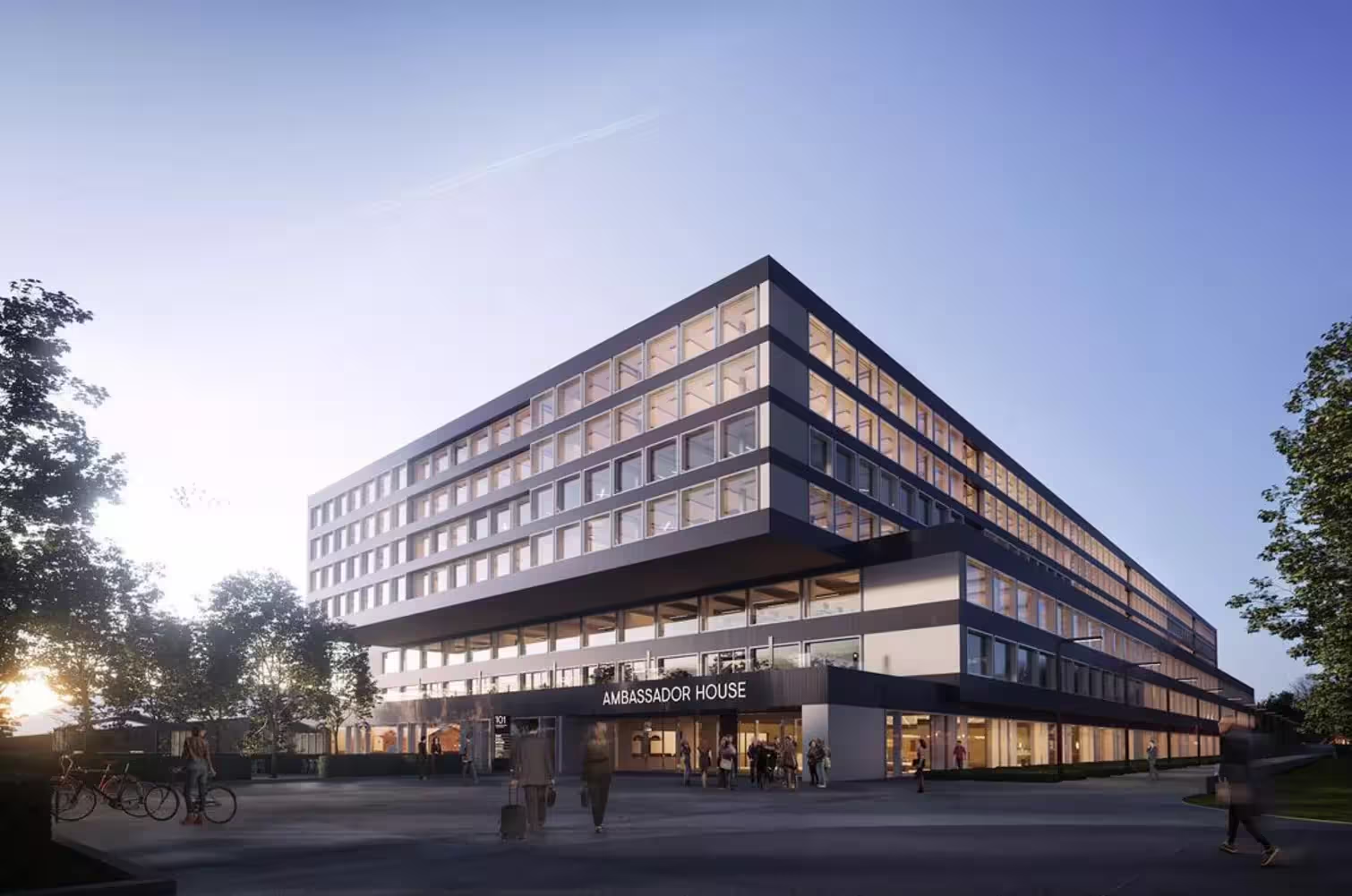
Travel & Accomodation
The conference venue is easily accessible by public transport:
How to get there
From Zurich Airport:
Take the tram number 10 or 12 to the stop Glattpark. The venue is a 5 min walk from there.
From Zurich HB:
Take the tram number 10 to the stop Glattpark. The venue is a 5 min walk from there.
Accommodation
Are you looking for somewhere to stay that is conveniently located close to the venue?
Sponsors
Gold Sponsor
Join us as a sponsor or exhibitor at NeuMoS 2026. This exclusive in-person event is a key meeting point for the global neuroscience community, offering a unique opportunity for sponsors and exhibitors to connect with international experts and showcase their innovations to a diverse, engaged audience. In our previous editions, we have had significant global participation, providing an unparalleled platform for networking and collaboration. For more tailored packages, please contact our Event and Account Manager Ines Blanc Giro (ines.blancgiro@mxwbio.com) or our Head of Commercial Excellence and Engagement Dr. Laura D’Ignazio (laura.dignazio@mxwbio.com)