Engineering Human iPSC Neural Circuits with Microfluidics and HD-MEA
Date
Type
Tags

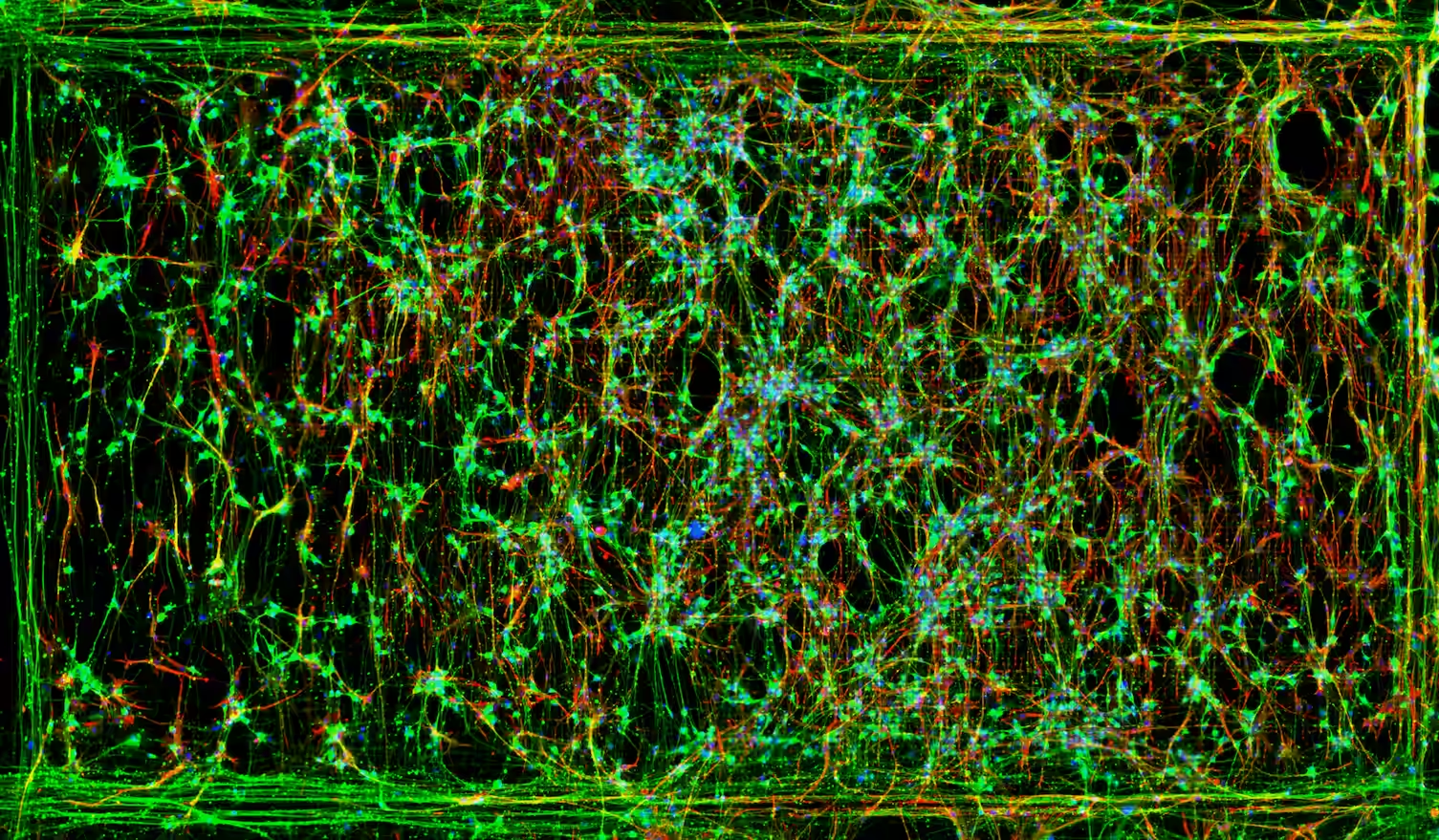
"We use the Network and Activity scan to track the dynamic changes in activity maps of growing networks of human iPSC-derived neurons over time. We found that these changes in activity image matches well with dynamics of growing network morphology."
During the recent MxW Summit 2023, 3rd In-Vitro 2D & 3D Neuronal Networks Summit, held in Zurich, Switzerland, we had the opportunity to speak with Dr. Rouhollah Habibey, one of our invited speakers. We enthusiastically discussed his research work and the crucial role that the MaxOne HD-MEA system plays in it.
In this
conversation



Could you please summarize your research for us?
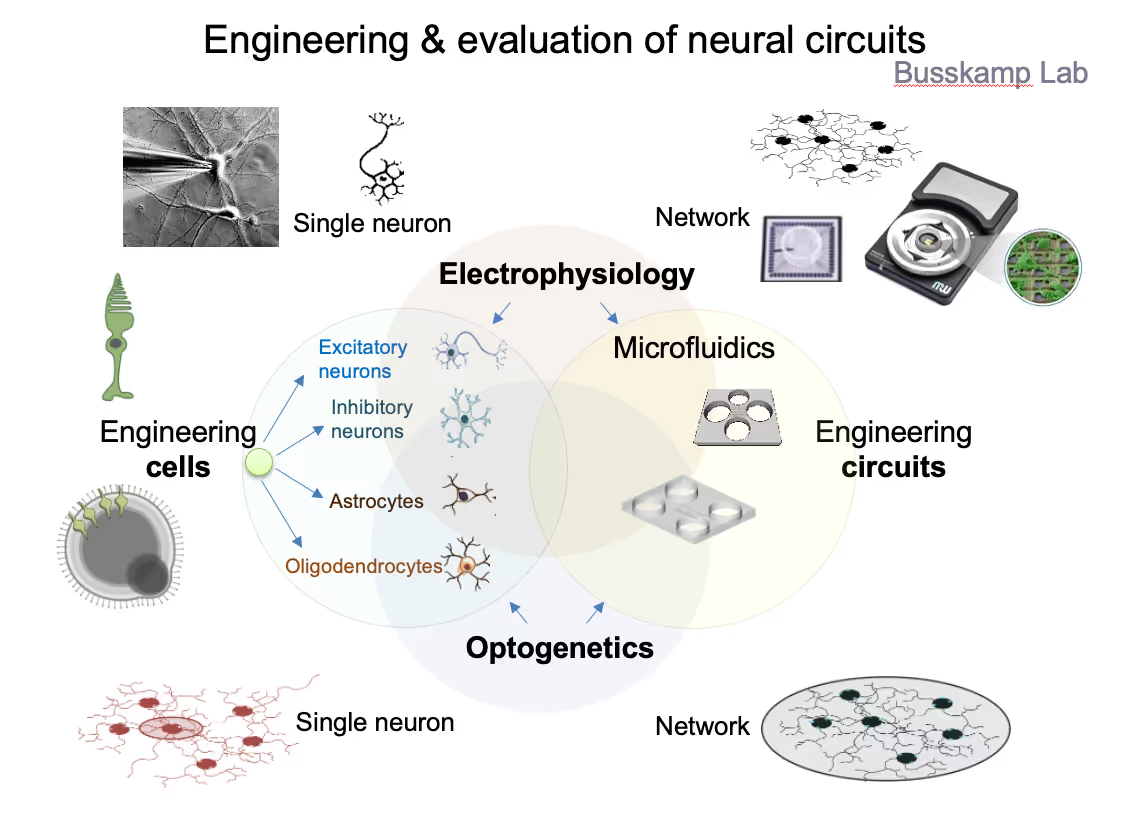
I work on bottom-up engineering of the in vivo-mimetic neural circuits on-dish/chip. To construct predefined neuronal structures on-chip, we use a combination of advanced techniques like microfluidics, Multi-Electrode Array (MEA) electrophysiology and optogenetics on human stem cell-derived neurons. The main goal is to develop functionally robust long-term in vitro platforms for modeling healthy and diseased brain circuits and translate them for biomedical applications like disease modeling, drug development and screening.
Can you explain how you are using MaxWell Biosystems products for your research?
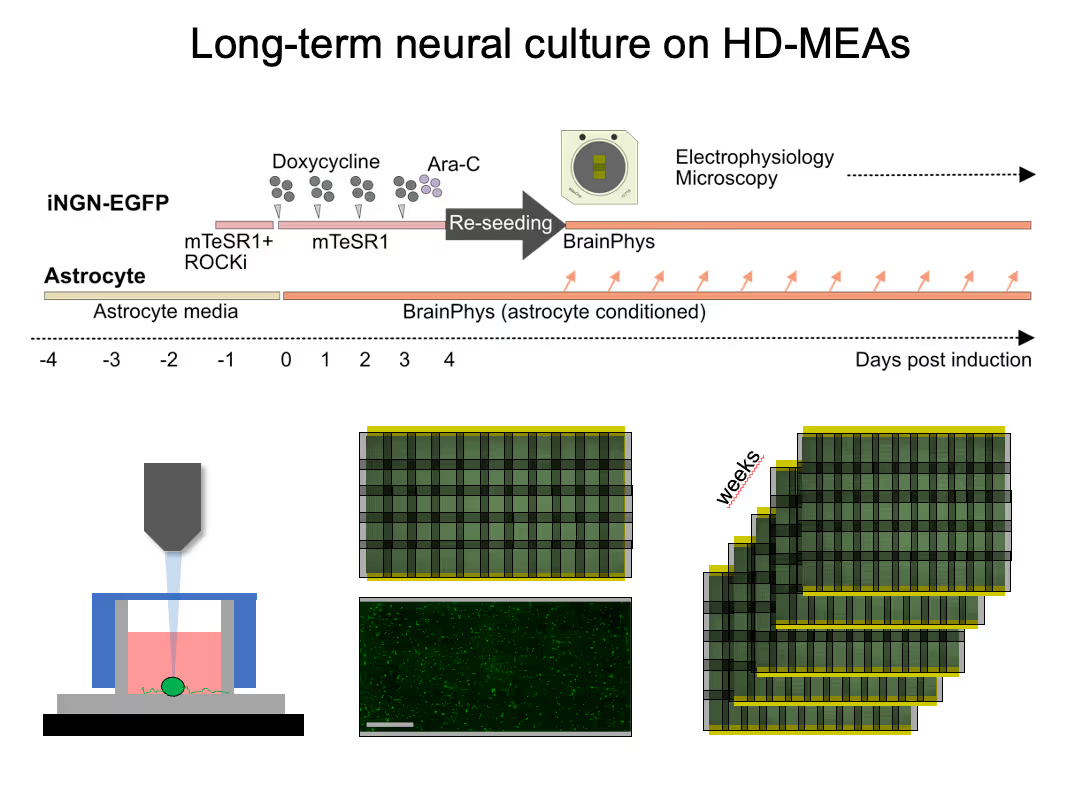
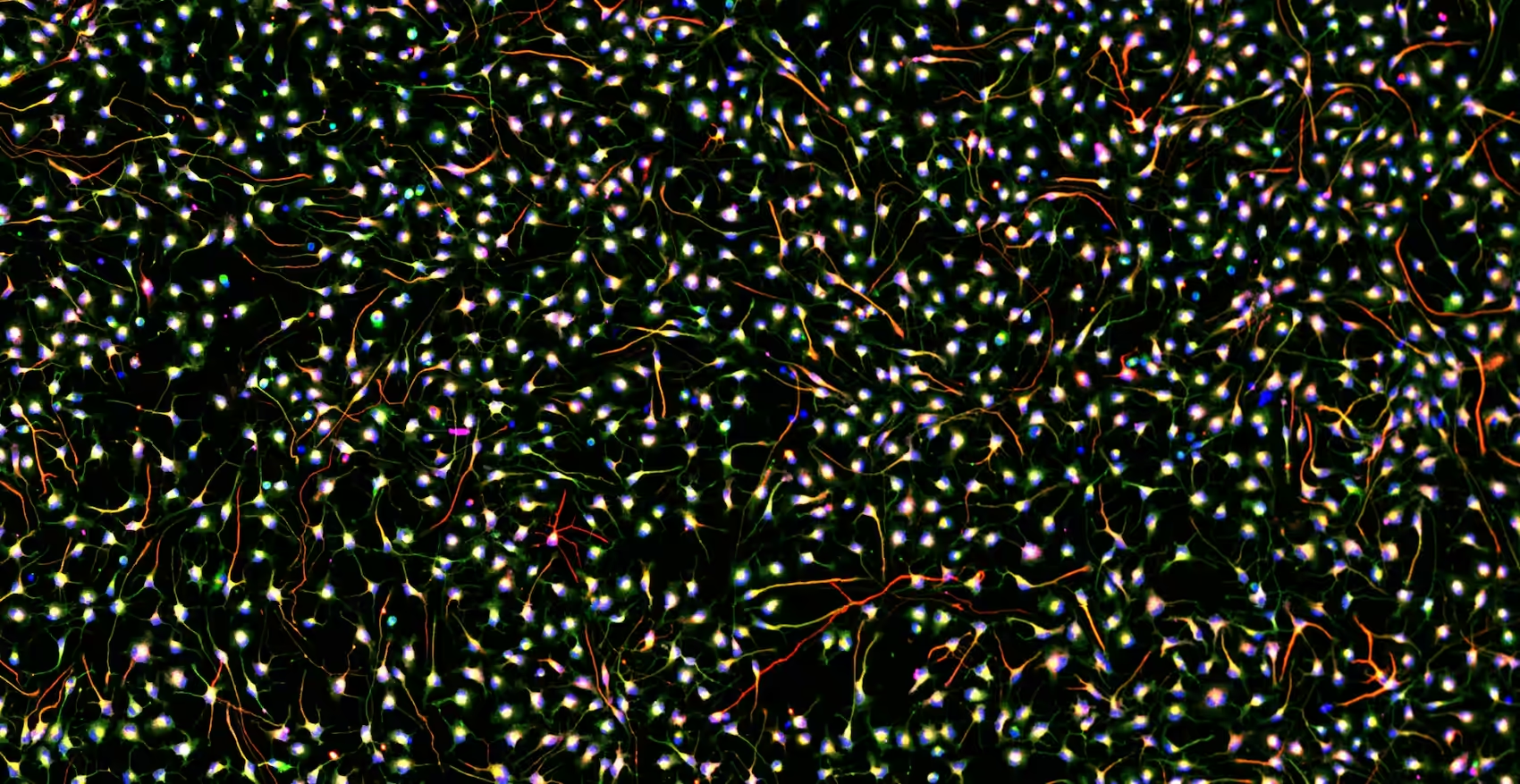
We are using the MaxOne HD-MEA system to characterize long-term functional features of the engineered neurons and neuronal networks derived from human induced pluripotent stem cells (hiPSC). We combine long-term microscopy readouts with electrophysiology recordings to track morphology and function in developing human neuronal circuits over months. This data is exploited to estimate how neuronal cell movement and dynamic changes on network morphology can affect the functional output (functional phenotype) of growing networks.
Which feature of our products do you appreciate the most?
We use the Network and ActivityScan assays to track the dynamic changes in activity maps of growing networks of human iPSC-derived neurons over time. We found that these changes in activity image matches well with dynamics of growing network morphology. This is only possible by High-Density MEAs like MaxOne Chip and user-friendly MaxLab Live Software provided by MaxWell Biosystems.
Have there been any challenges and how did MaxWell Biosystems help to resolve them?
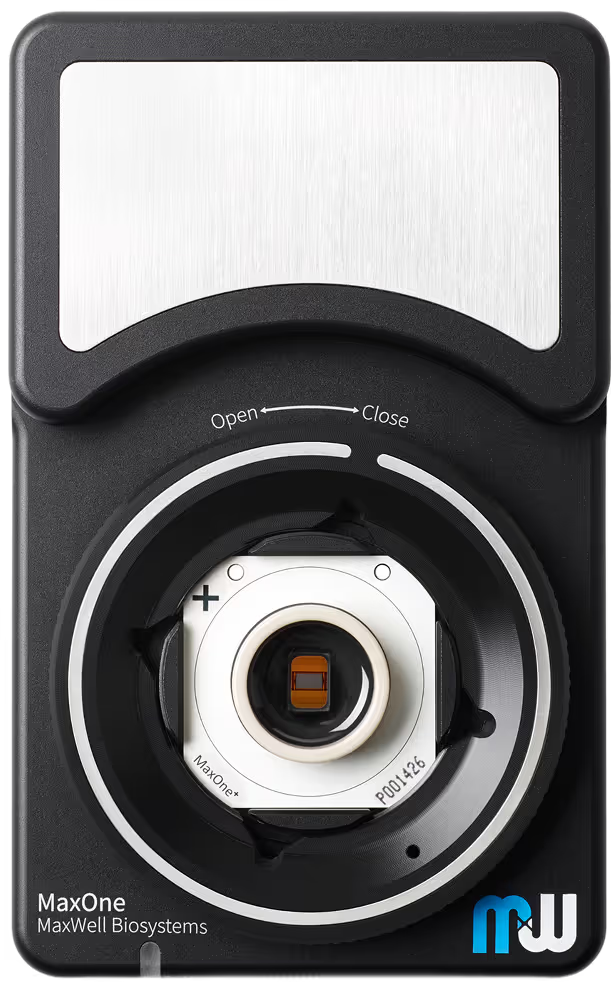
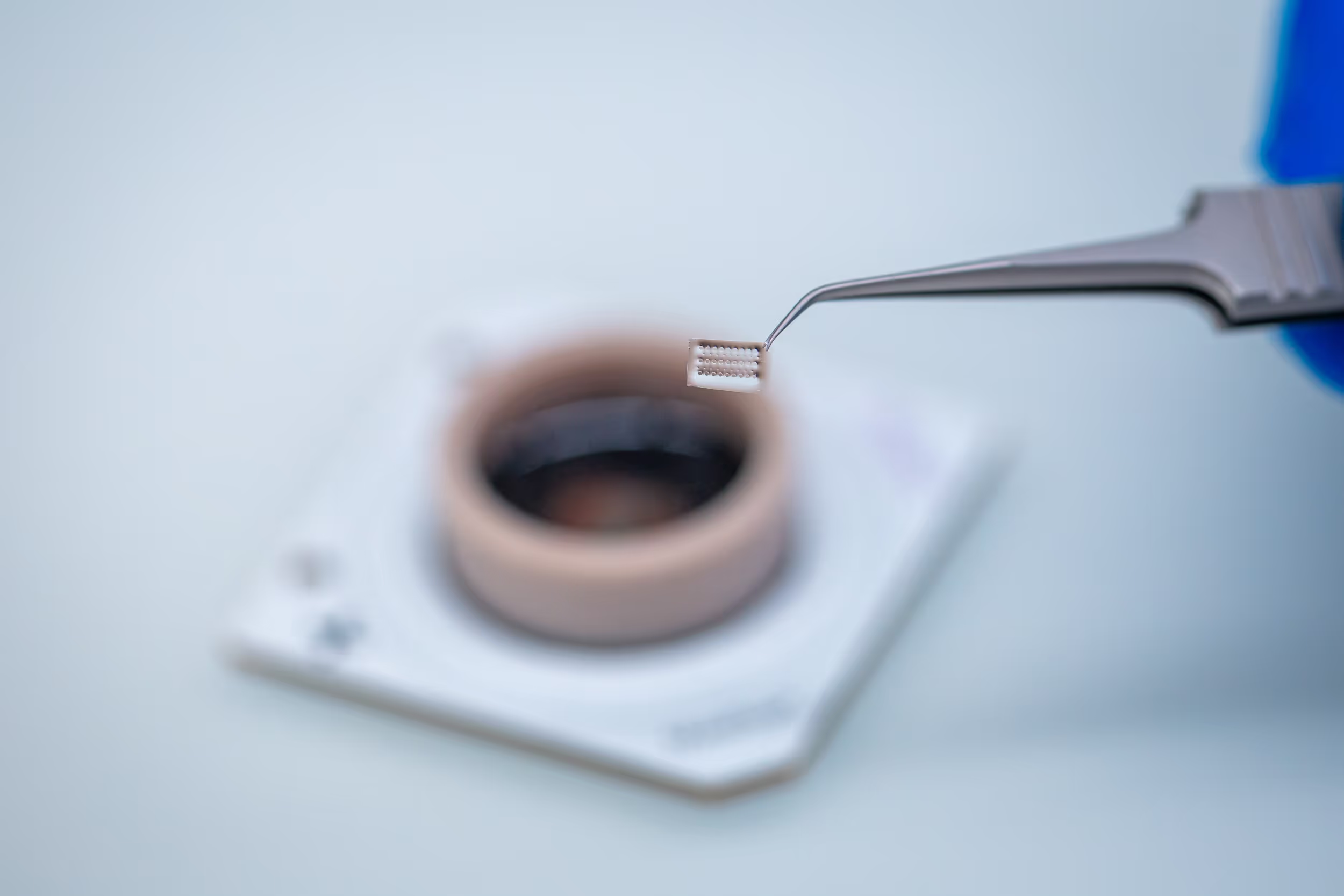
To engineer neuronal circuits on the MaxOne Chips, we needed to integrate them with microfluidic devices. To prevent axons from growing in undesired regions beneath the microfluidic device, the new MaxOne Chip for PDMS Applications, designed with a flat surface, proved to be an excellent solution. MaxWell Biosystems also provides an excellent repository of already developed scripts for analysis of neuronal data. The MaxWell Biosystems support team and the MaxWell Biosystems webinars are two useful resources to troubleshoot technical issues regarding cell culture, recording and analysis.
Is there anything else you would like to share?
The MaxLab Live Software is an excellent user-friendly tool to extract multiple features of cultured neuronal networks at subcellular resolution. This interface provides multi-dimensional access to data visualization including imaging the network active regions, synchronized burst activity profile, and tracking axonal activity.
Thank You
We would very much like to thank Dr. Rouhollah Habibey for his time to take part in this testimonial for MaxWell Biosystems. We are very appreciative of this collaboration.
Discover More
If you would like to learn more about Dr. Rouhollah Habibey’s work with our MaxOne HD-MEA system, please contact us by email at info@mxwbio.com or schedule a call with one of our Application Scientists.
Related Resources
MaxOne
Versatility and functionality in one compact device
MaxLab Live
All-in-one Software

Our Technology
Multi-/Micro-electrode Arrays
Microphysiological Systems
Pharmacology & Toxicology

Neuronal Cell Cultures
Disease Modeling
Functional Phenotyping
Long-term morphological and functional dynamics of human stem cell-derived neuronal networks on high-density micro-electrode arrays
