Focus on Neurocomputing

Biocomputing is an emerging, interdisciplinary field that uses biological components such as DNA, proteins, cells, or neurons to perform computation, data storage, and problem-solving.
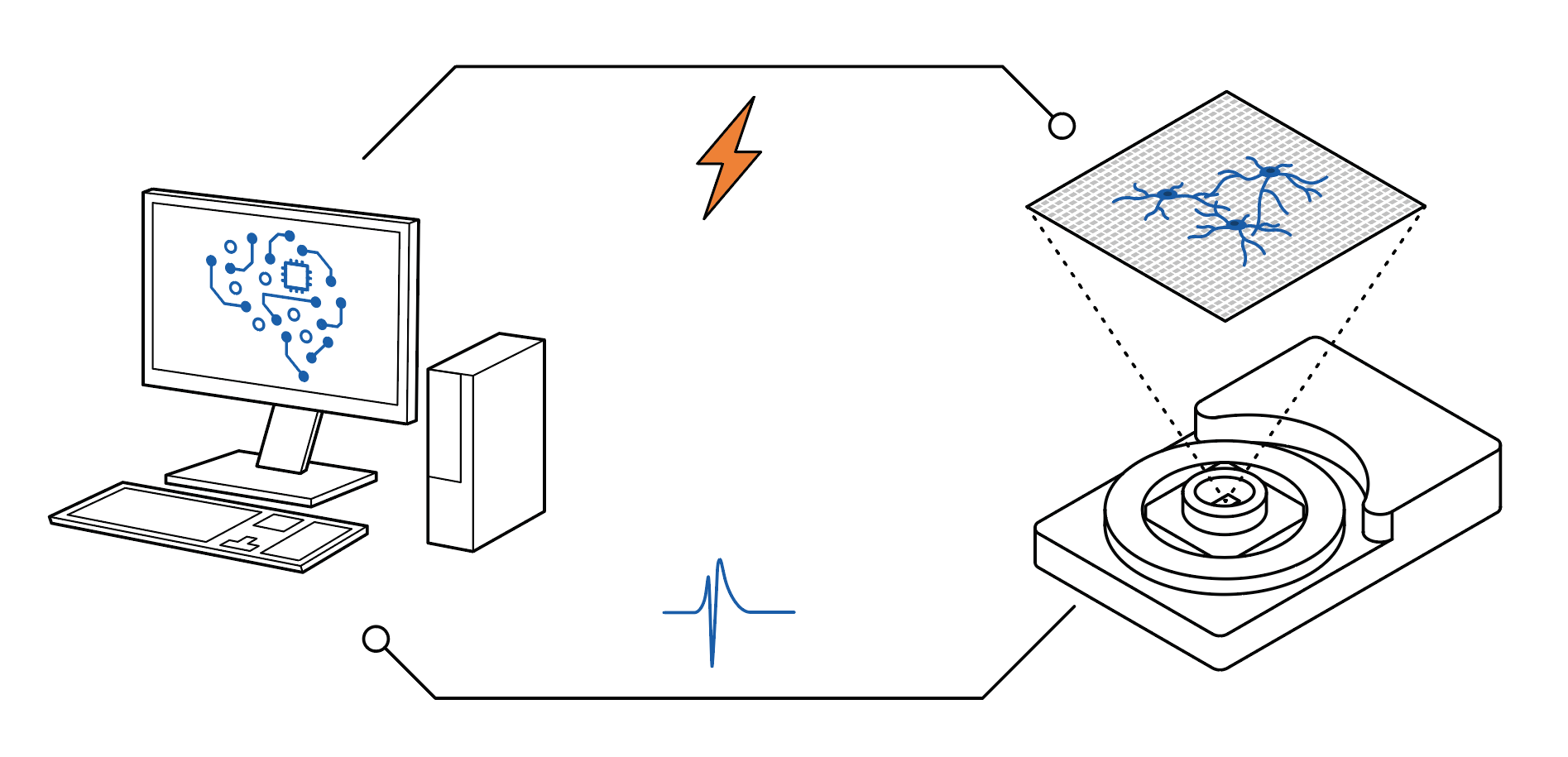
Within biocomputing, Neurocomputing focuses specifically on living neuronal networks. By interfacing lab-grown neural models, from 2D cultures to organoids, researchers study how networks process information, adapt, and learn. In vitro neurocomputing experiments use defined recording and stimulation paradigms to probe plasticity, memory formation, pattern recognition, and signal integration, bridging neuroscience with bioinspired computing and neuromorphic technologies.
This focus brings together the newest Neurocomputing material we publish. You’ll find blogs, tutorials, and expert voices as they are released. The emphasis is practical and reproducible. It covers experimental design, stimulation and recording workflows, and interpretation frameworks that help translate results into approaches others can adopt.
Related Content & Activities

Blogs
Microphysiological Systems: From Structure to Computation in the Brain

From organoids to engineered microstructures, MPS let researchers build structure into neural circuits rather than just observe it, opening a path to studying brain computation.
Getting Started with Closed-Loop Experiments on HD-MEAs
A practical introduction to building real-time feedback loops with stimulation and recording on HD-MEAs. This post shows the core workflow behind closed-loop experiments in MaxLab Live.
Closed-loop training of organoids to balance a Cartpole (Inverted Pendulum)
%2520Li.avif)
Can living cortical organoids learn a control task? Robbins et al. show they can, balancing a cartpole via real-time, closed-loop stimulation on MaxOne HD-MEAs.
Webinars
User Voices
Engineering iPSC Brain-Organoid Networks on MaxOne HD-MEA
Interview with Prof. Dr. Yoshiho Ikeuchi on building organoid-based inter-regional neural networks from iPSCs. He shares how MaxOne HD-MEA and new MaxOne+ chips enable long-term, high-resolution recording and programmable control.
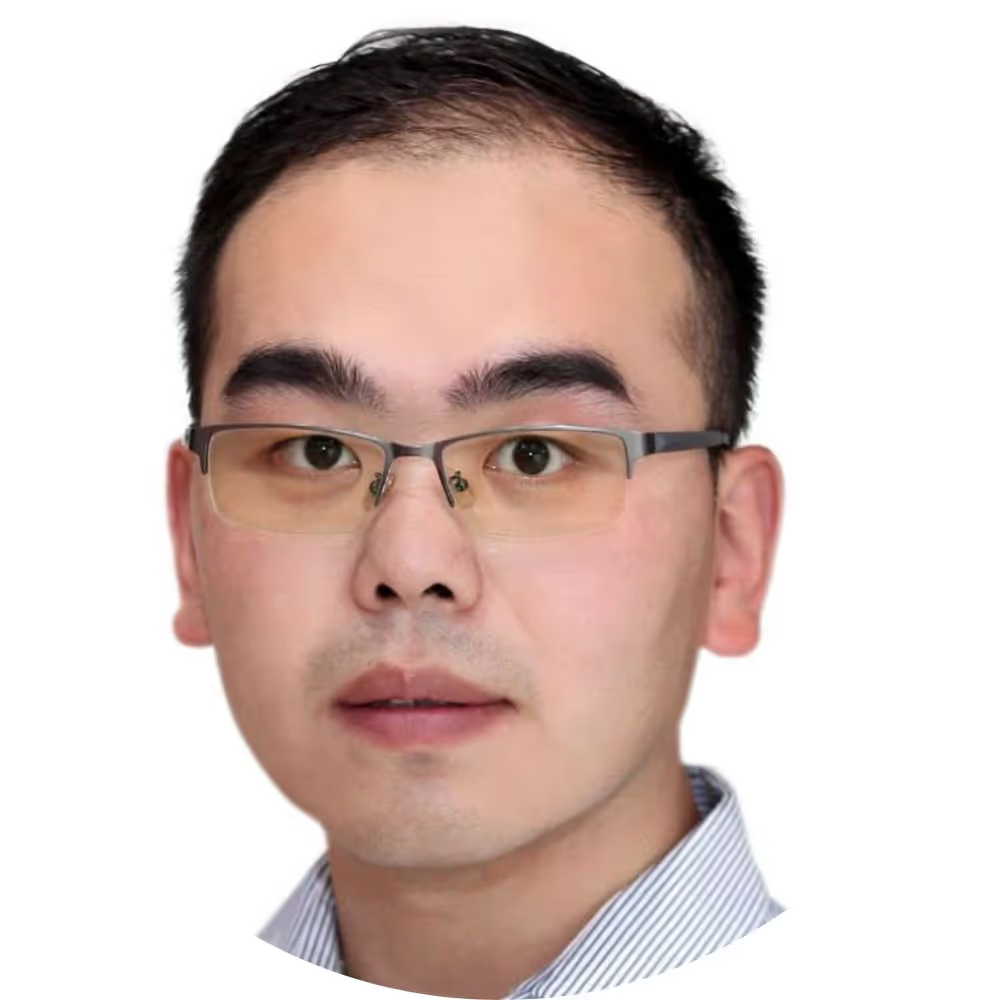
Brain Organoid Reservoir Computing on MaxOne HD-MEA
Join us for a chat with Prof. Dr. Feng Guo on how brain organoids + MaxOne HD-MEA can process, learn, and remember: a bold new step toward biocomputing and AI.
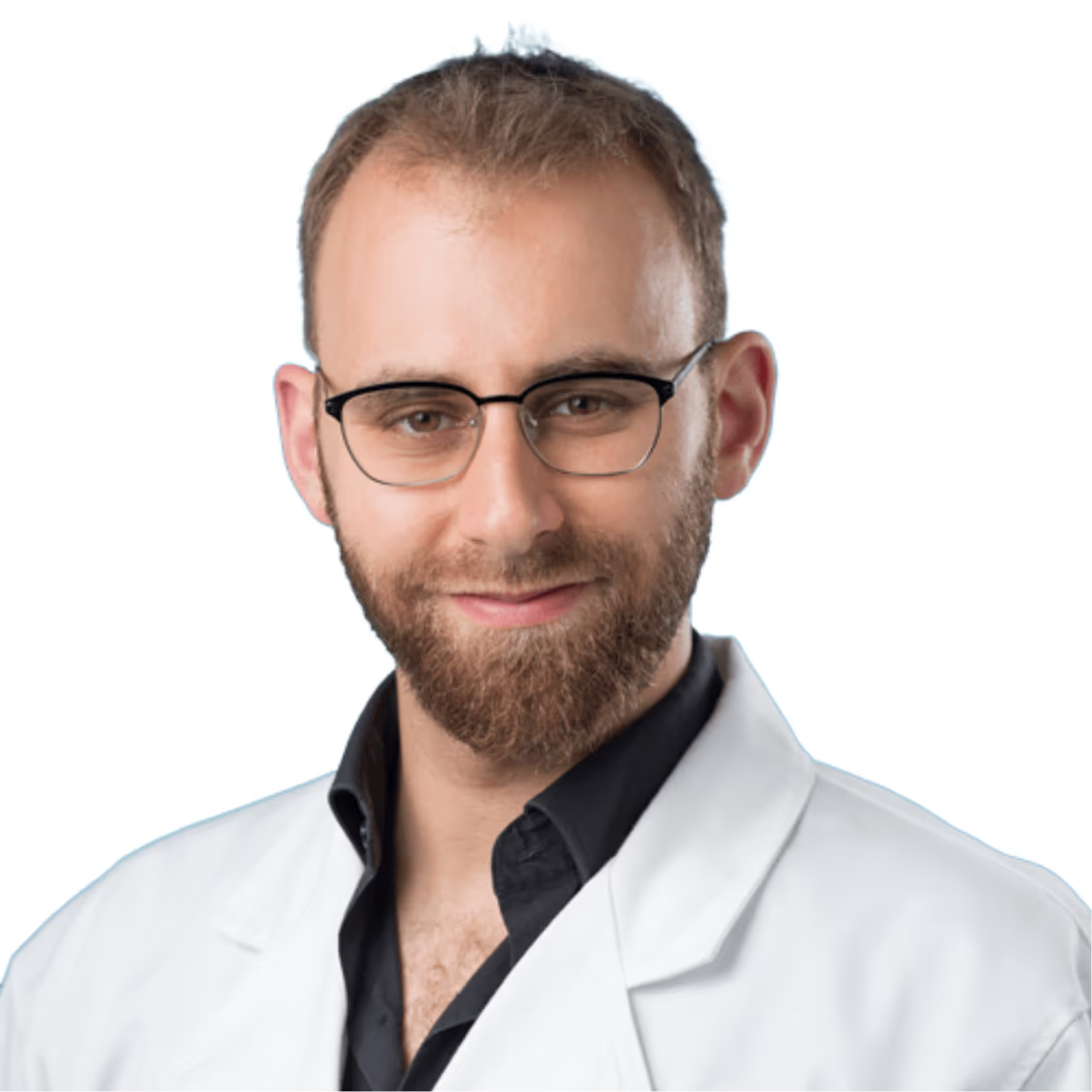
Training Living Neural Networks to Play Pong on MaxOne HD-MEA
Interview with Dr. Brett Kagan (Cortical Labs) on “DishBrain” and training neural cultures to play Pong using MaxOne HD-MEA stimulation and recording. He discusses the value of a configurable interface, real-time interaction via API, and what’s next for biocomputing.
Resources
Emergent functions of noise-driven spontaneous activity: homeostatic maintenance of criticality and memory consolidation

Dynamic Network Plasticity and Sample Efficiency in Biological Neural Cultures: A Comparative Study with Deep Reinforcement Learning
.avif)
Drug treatment alters performance in a neural microphysiological system of information processing

Biomimetic Visual Information Spatiotemporal Encoding Method for In Vitro Biological Neural Networks

BiœmuS: A new tool for neurological disorders studies through real-time emulation and hybridization using biomimetic Spiking Neural Network

Brain organoid reservoir computing for artificial intelligence

In vitro neurons learn and exhibit sentience when embodied in a simulated game-world

Acute Brain Organoid Plating Protocol with Liquid Holder
Acquire functional HD-MEA recordings from your brain organoids in no time with this unique and easy-to-use protocol.
MaxOne+ and MaxOne Neuronal Cell Plating Protocol
Follow this easy-to-use neuronal cell plating protocol for MaxOne,ensuring optimal cell growth and attachment with clear step-by-step instructions.
PDMS Application Guide
Find important guidelines on PDMS applications and learn how to culture and record from engineered neuronal networks on MaxWell Biosystems' HD-MEA platforms.
MaxOne Organoid Plating Video Instruction
Plating organoids on MaxOne Chips has never been so easy, thanks to our detailed step-by-step instructions, with practical tips at key stages.

.avif)
Dr. Brett Kagan
“I really like that the HD-MEA surface is highly configurable in terms of what you’re reading or writing from. For samples such as organoids, it’s really helpful because it could be challenging to align them perfectly on a chip. However, this is not a problem with MaxWell Biosystems HD-MEA as you are able to choose which electrodes are on the chip with a very low pitch. So, I think that’s a brilliant feature to have!”
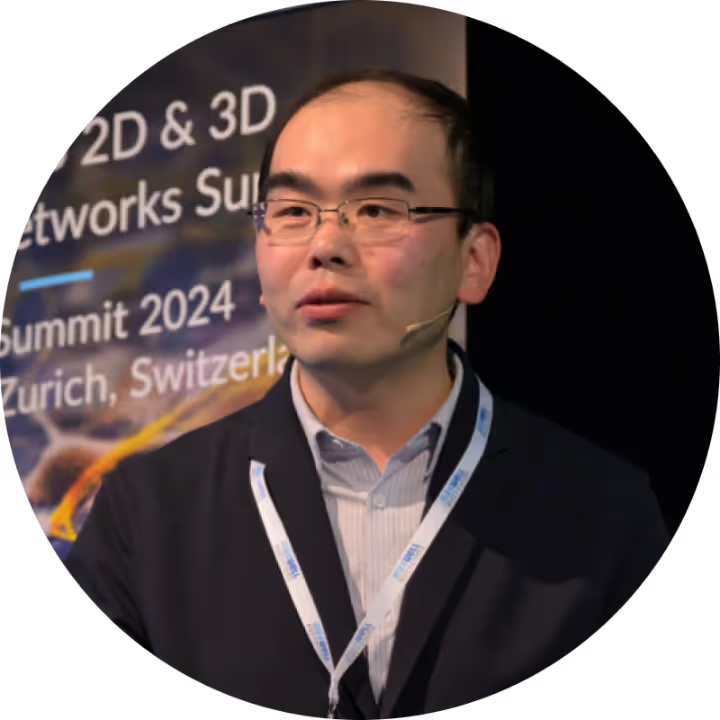
Prof. Feng Guo
“Before claiming the learning capability, we checked for functional connectivity and, using the MaxOne HD-MEA system, we observed a gradual increase in the functional activity over time. This was confirmed by the emergence of new connections through synapses, indicating that we were getting better and better neural networks within the organoids. Consequently, we revisited the training process and found increasing accuracy during the training.”