Disease Modeling and Drug Discovery Symposium
Date & Time
Location
Tags
At MaxWell Biosystems, we are proud to be co-organizers of the ISSCR Symposium on Disease Modeling and Drug Discovery in San Diego, bringing together leading scientists, innovators, and industry experts to explore how stem cell-based models are transforming our understanding of human diseases and accelerating therapeutic discovery.
From advanced organoid systems and complex human in vitro models to bioengineering innovations, AI-driven approaches, and next-generation drug screening platforms, the symposium will highlight the latest scientific advances and their potential to bridge the gap between fundamental research and clinical applications. Particular attention will be given to the development of more predictive, scalable, and human-relevant models that can support the future of drug discovery.
We look forward to bringing the global scientific community together, and contributing to discussions on how innovative technologies and functional approaches can unlock the full potential of stem cell-derived models for disease research and therapeutic development.
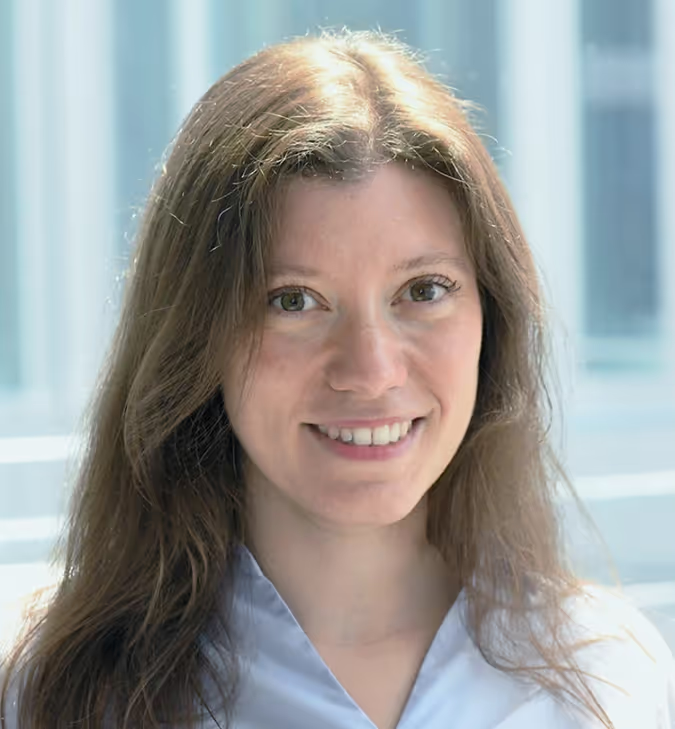
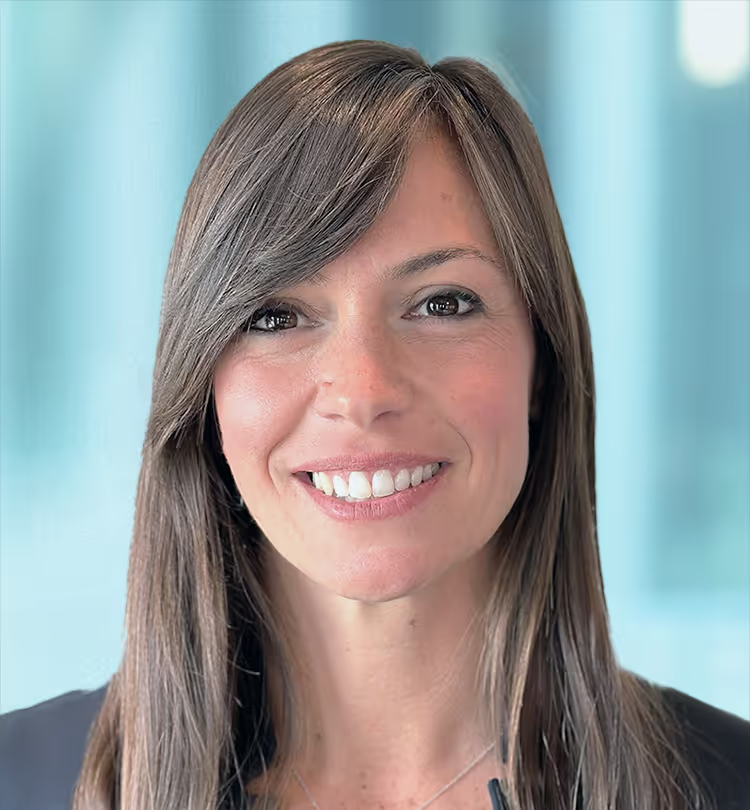
Meet the MxW Team


MxW Booth
Come visit us at our booth to find out how MaxWell Biosystems supports stem cell research with scalable high-content functional electrophysiology, delivering high-resolution insights and quality data you can trust. Stop by to connect with the team, explore what is new, and get a glimpse of what is coming next.
Innovation Showcase
Join us for this Innovation Showcase to explore how next-generation HD-MEA technology and advanced iPSC-derived neural models are opening new possibilities for functional phenotyping, disease modeling, and drug discovery. From high-resolution recordings of neuronal activity at network, single-cell, and subcellular scales to innovative approaches using human neural organoids and assembloids, the session will highlight how combining advanced neural models with functional technologies can deepen our understanding of neurological disorders. Featuring research by Dr. Fikri Birey, the showcase will explore the development of novel human neural assembloid models and their application to investigating genetic epilepsy, demonstrating how these systems can reveal previously inaccessible aspects of disease biology and support the discovery of new therapeutic strategies.