MxW Symposium - Kyoto 2025
Join the user meeting for a one-day event of breakthrough discovery and community exchange.
Location

This one-day event is designed to bring together the research community and explore the cutting-edge development in neuroscience and neuroengineering, including both 2D and 3D modeling.
Our MxW Symposium in Kyoto was a day filled with insightful discussions, inspiring talks on brain organoids, neuronal networks, and data-driven discovery.

Speaker Lineup
Discover the expertise of key opinion leaders and leading scientists at the MxW Symposium 2025 in Kyoto! Our speakers, will share insights on neuroscience and neuroengineering, including both 2D and 3D modeling. Learn more about their innovative talks and the impact on neuroscience research.
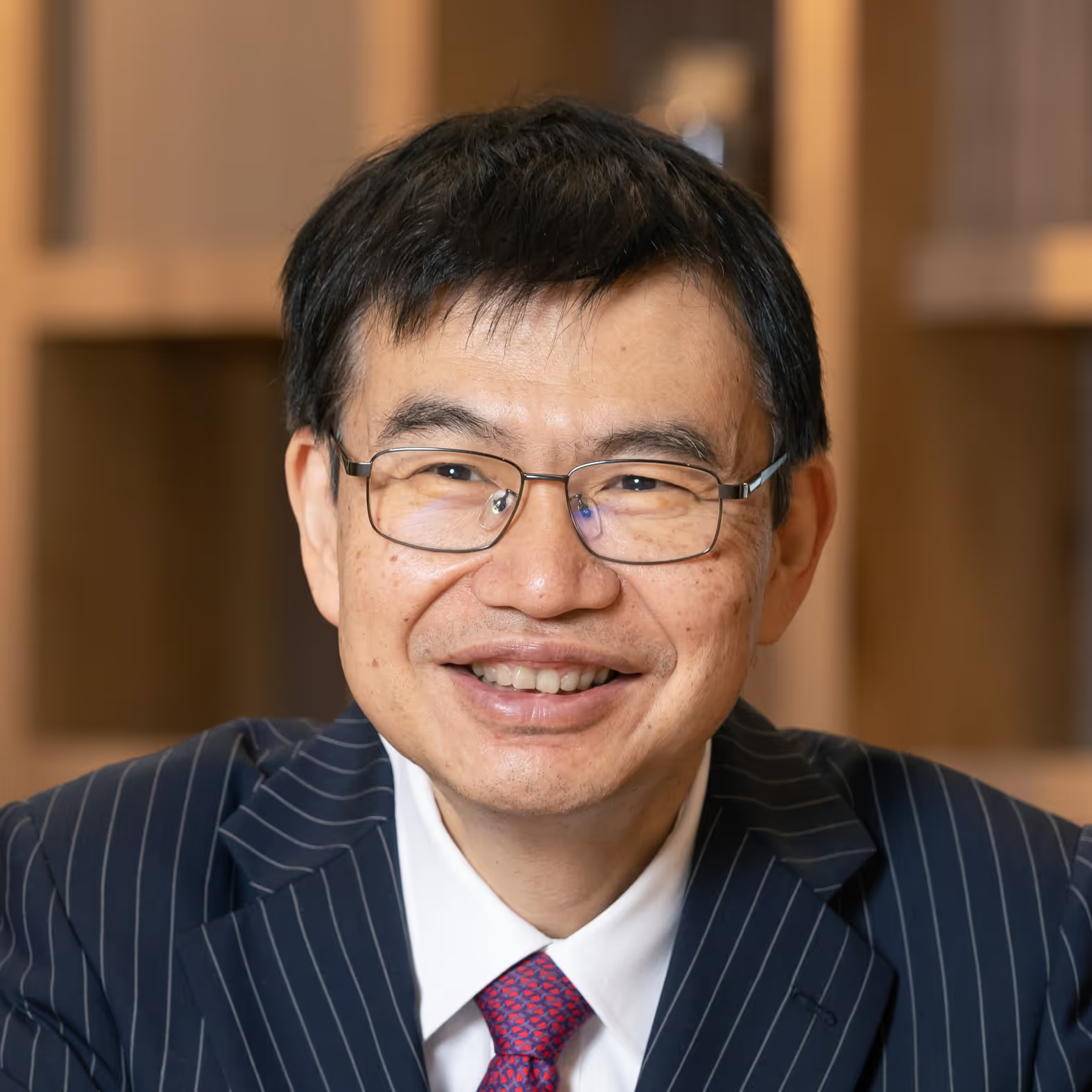
Hideyuki Okano received his M.D. (1983) and Ph.D. of Medical Science (1988) from Keio University. After a postdoctoral fellowship at Johns Hopkins University School of Medicine, he became a Professor at Tsukuba University (1994), Osaka University (1997), and returned to Keio University in 2001. He served as Dean of Keio University School of Medicine/Graduate School of Medicine (2007-2021) and was appointed Visiting Professor at MIT in 2022. He is currently the Director and Distinguished Professor of Keio University Regenerative Medicine Research Center. He was awarded numerous honors, including the Medal with Purple Ribbon (2009), the Erwin von Bälz Prize (2014), and the Uehara Prize (2022). In July 2025, he assumed the presidency of the International Society for Stem Cell Research (ISSCR). His current research focuses on stem cell therapies for spinal cord injuries, as well as iPSCs-based modeling and drug development for neurodegenerative diseases such as ALS and Alzheimer’s disease.
Modeling and Drug Development for Neurodegenerative Diseases using iPSCs Technologies
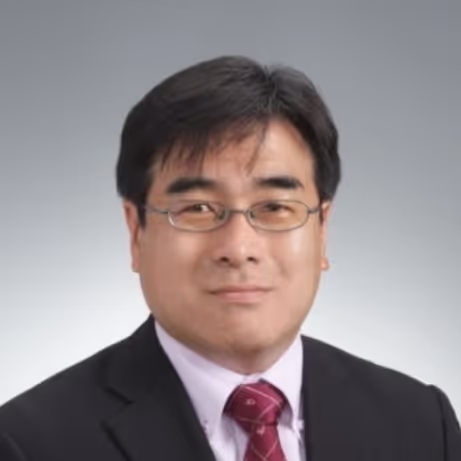
Dr. Kanda currently serves as Division head of Pharmacology at National Institute of Health Sciences (NIHS) Japan. His research area is regulatory science, which seeks to apply new approach methodologies (NAM) to the review process and bridge the gap between scientific innovation and safety issues.
He has coordinated the JiCSA (Japan iPS Cardiac Safety Assessment) consortium, including the development and validation of test methods using iPSC-derived cardiomyocytes, and has collaborated with US FDA, Comprehensive In Vitro Proarrhythmia Assay (CiPA), and HESI Cardiac Safety Committee. He has worked with HESI NeuTox Committee in terms of seizure liability and other projects, such as PBPK and DART. In addition, he has contributed to OECD guidances (Good In Vitro Method Practice, Developmental Neurotoxicity, and PBPK) as an expert group.
He is a member of the Board of Directors of US Health and Environmental Sciences Institute (HESI), European Society of Toxicology In Vitro (ESTIV) and the Japanese Society for Alternatives to Animal Experiments (JSAAE) to promote NAMs. He serves as the Editorial Board Member of Scientific Reports, Cardiovascular Toxicology, Journal of Pharmacological Sciences. He has published over 100 peer-reviewed journal articles and book chapters related to assessing the safety and effectiveness of drugs and chemicals.
He received B.S. degree, M.S. degree, and Ph.D. degree from the University of Tokyo. After he worked as a research assistant professor in National Defense Medical College, he has worked on regulatory science research since joining the Division of Pharmacology, NIHS as a section head in 2008 and has been promoted as a Division head in 2017.
Regulatory Landscape of iPSC-derived Neurons and MEA Platforms for Seizure Risk and Developmental Neurotoxicity Assessment
Human induced pluripotent stem cell (iPSC)-derived neurons combined with multi-electrode array (MEA) platforms provide a robust in vitro system for evaluating functional neurotoxicity. This approach enables non-invasive, high-throughput measurement of spontaneous neuronal network activity, allowing sensitive detection of alterations in excitability, synchronization, and synaptic function.
In the pharmaceutical sector, the recent FDA Roadmap emphasizes the need for new approach methodologies (NAMs) that are human-relevant, mechanistically informed, and capable of improving the prediction of neurotoxicity—particularly seizure liability. In alignment with these regulatory perspectives, iPSC/MEA platforms are increasingly recognized for their ability to predict human neurological adverse events. These in vitro systems provide a powerful, non-animal alternative for early CNS safety screening in drug development.
For environmental chemicals, this platform supports developmental neurotoxicity (DNT) evaluation in accordance with the OECD DNT in vitro testing battery (DNT-IVB) framework. The iPSC/MEA system can mimic key neurodevelopmental processes, including network maturation and synaptic function. These functional endpoints are critical for identifying chemicals that may interfere with neurodevelopment, particularly during prenatal and postnatal periods.
This presentation highlights recent advances in the application of iPSC-derived neurons and MEA technology in the context of regulatory acceptance. We also discuss assay standardization, data integration challenges, and the role of these platforms within integrated testing strategies.
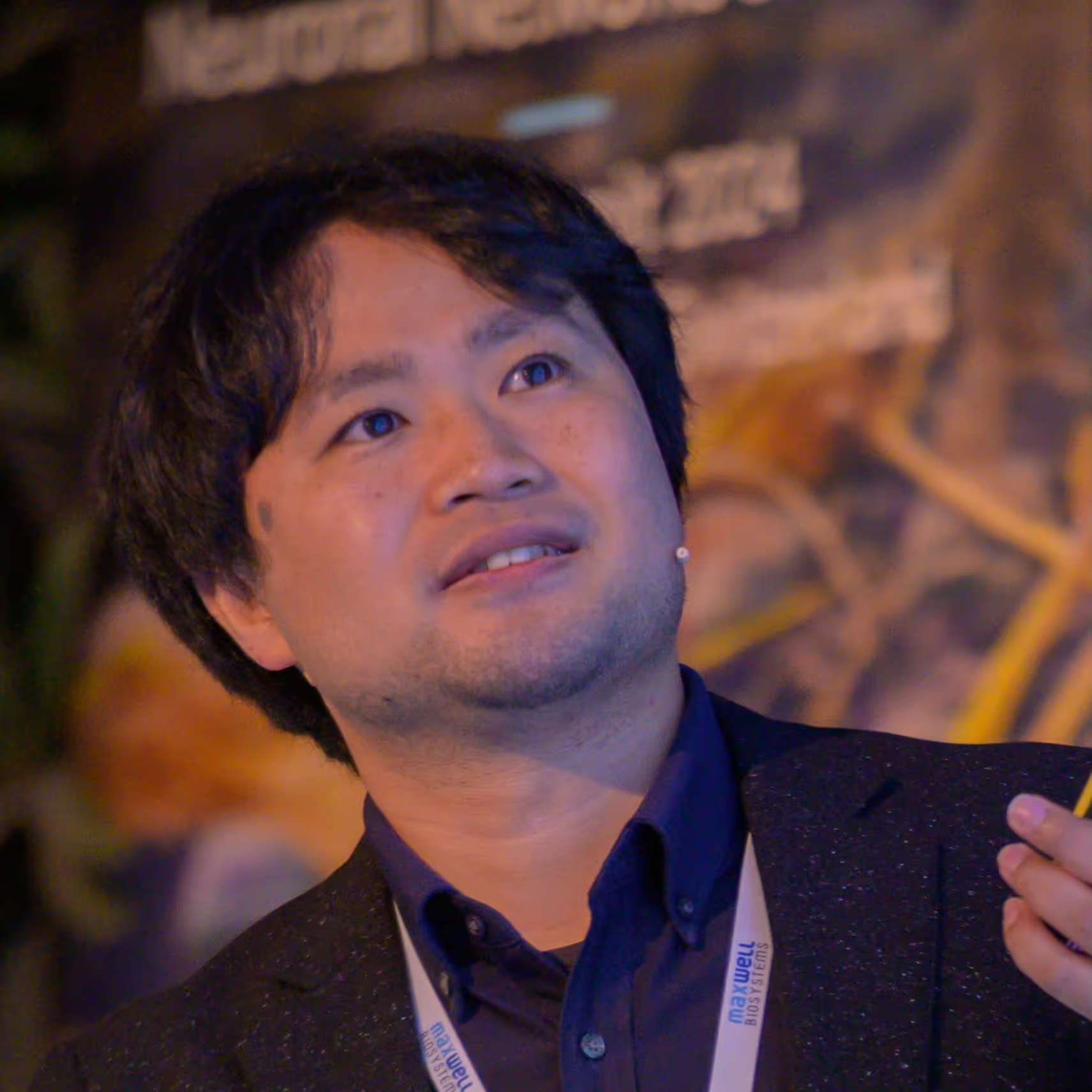
Kenta Shimba is an Associate Professor at the Mathematical Biology and Bioengineering Laboratory, Graduate School of Frontier Sciences, The University of Tokyo. He received his Ph.D. from the University of Tokyo under the supervision of Prof. Yasuhiko Jimbo. After working as a postdoctoral researcher at Tokyo Institute of Technology, he joined the Graduate School of Engineering at the University of Tokyo as an Assistant Professor. He currently holds his position at the Graduate School of Frontier Sciences. His research interests include microdevice fabrication and method development for studying axon physiology and network interactions.
Combining HD-MEAs with Microengineering and Molecular Analysis for Neural Network Studies
Cultured neurons are widely used in basic neuroscience research and drug safety testing. It is believed that synchronized activity among multiple neurons forms the basis of functional network behavior. To monitor such coordinated activity, high-density microelectrode arrays (HD-MEAs) are commonly used, as they allow simultaneous recording from many sites. HD-MEAs primarily provide information about the timing of neuronal activity and the location of electrodes. However, by combining HD-MEAs with other methods, we can obtain much richer information. In this presentation, I will introduce examples from our lab where we combined HD-MEAs with microfabrication techniques to control the structure of neural networks, and with additional analyses such as immunostaining and gene expression profiling. These approaches help us link the electrical activity of neurons to their molecular and structural characteristics.
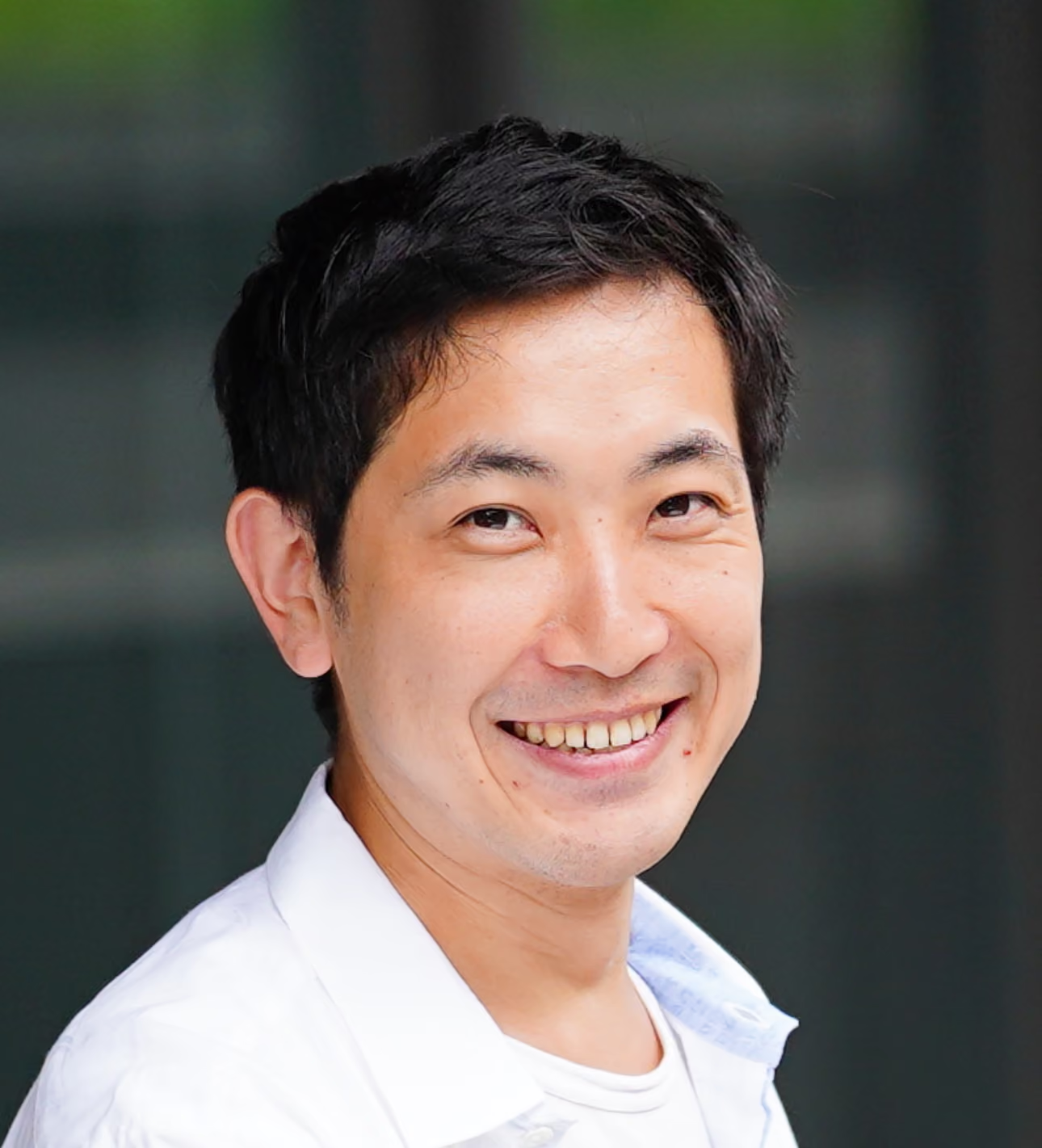
Nobuyoshi Matsumoto is an assistant professor of Chemical Pharmacology at the University of Tokyo. His work focuses specifically on cognitive, spatial, social, and sexual behaviors and underlying neural mechanisms in terms of pharmacology, physiology, psychology, and physics.
Long-Term Dynamics in Firing Patterns of Cultured Hippocampal Neurons
Research using cultured neurons has deepened our biological understanding of nervous system development and maturation involving network formation. However, long-term primary culture of neurons faces various challenges and technical limitations. Consequently, data on neuronal networks formed by long-term cultured neurons have been largely unknown. We addressed this question using long-term cultured neurons isolated from the hippocampi of fetuses (embryonic day 18) of pregnant rats. We cultured the neurons in vitro for at least 210 days and regularly recorded their neural activity. We used the MaxOne MEA system to monitor neural activity. We found that firing patterns remained stable at least from DIV 50 to DIV 200, without salient impairment. Average firing frequency exhibited a bimodal distribution. We defined over 0.29 Hz as the effective firing rate, which served as the boundary between the two kernel functions. We found that synchronous firing was maintained until DIV 300.
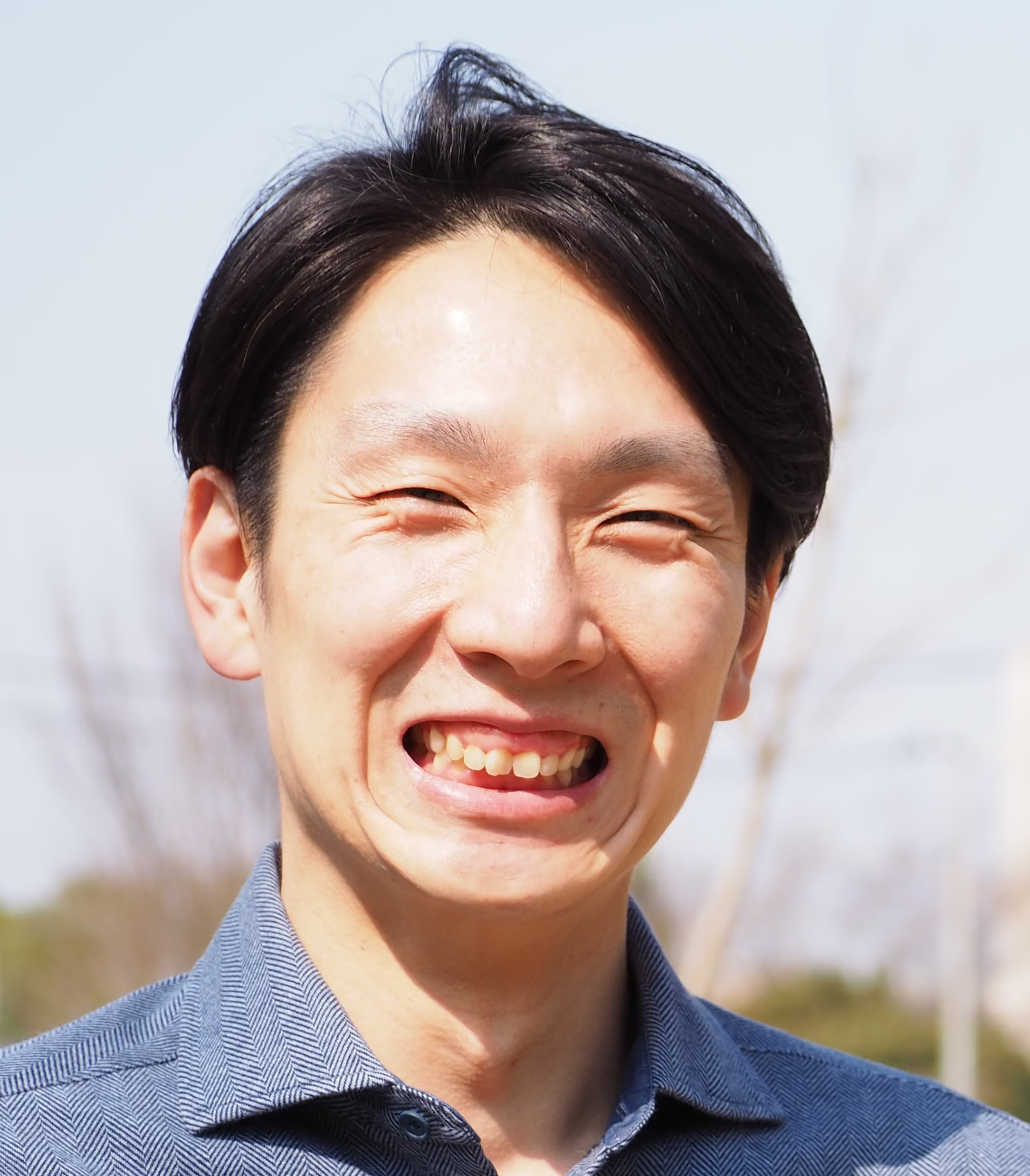
Dr. Shi earned his Ph.D. in Medicine from The University of Tokyo in 2017. Following his graduation, he joined the faculty as an Assistant Professor at the School of Medicine within the same university, a position he held until 2022. His career took a significant turn that year when he was appointed as a Principal Investigator at the International Institute for Integrative Sleep Medicine, University of Tsukuba. Dr. Shi’s research is dedicated to unraveling the biological underpinnings of sleep.
Does Synaptic Strength Encode Sleep Need?
Understanding the transition between wakefulness and sleep is a central question in neuroscience. Recent findings indicate that homeostatic sleep regulation spans multiple levels of biological organization—from molecular phosphorylation to whole-brain dynamics. In our studies, we combined mathematical modeling, molecular tool development, and sleep neuroscience to demonstrate that increases in synaptic strength can trigger sleep onset and promote deeper and longer sleep. These results provide evidence for a causal link between synaptic-level changes and sleep behavior.
In this talk, I will present our recent findings using high-density MEA systems to model sleep-related transitions in vitro, and share ongoing efforts to uncover the upstream mechanisms that drive synaptic potentiation prior to sleep. Together, these approaches aim to establish a minimal experimental system to causally dissect how sleep need emerges from synaptic dynamics.
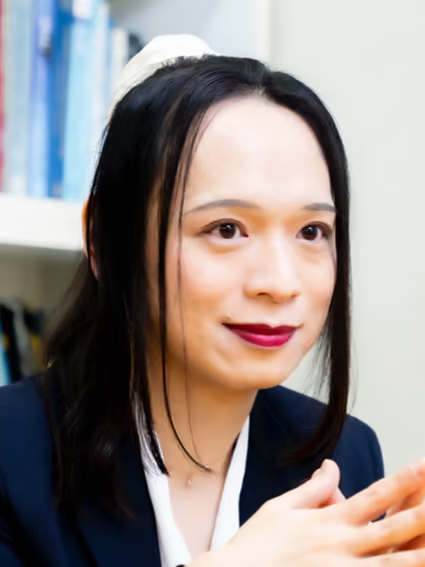
Sakaguchi graduated from the Faculty of Medicine, Kumamoto University in 2008. After four years’ experience as a clinical doctor, he began basic research at the RIKEN Center for Developmental Biology (Sasai Lab), and completed his doctoral studies at the Graduate School of Medicine, Kyoto University in 2016 (Doctor of Medicine). Then he worked at the Kyoto University Center for iPS Cell Research and Application (Takahashi Jun Lab) and the Salk Institute (Gage Lab) before assuming the current position. His research achievements includes the generation of hippocampal, choroid plexus, and spinal cord organoids first in the world, and his current research aim is promotion of a wide range of basic and applied research on neural organoids.
Neural Organoids ~The Original History and its Application
The advance of stem cell technology has enabled researchers to generate organoids: stem cell-derived three dimensional (3D) tissues with biological structures and functions(Eiraku et al. 2008, Kadoshima et al. 2013, Lancaster et al. 2013). By application of organoid technology with human pluripotent stem cells, organoids can provide a novel platform to study human biology in a dish. Using human embryonic stem cells, we have succeeded in the generation of 3D neural tissues including cerebral cortex, hippocampus, choroid plexus, and spinal cord (Kadoshima et al. 2013, Sakaguchi et al. 2015, Ogura and Sakaguchi et al. 2018, Sakaguchi et al. 2019). The neural organoid technology enables to study several aspects of neural development including neural function/dysfunction in human system. Thus, the neural organoids will bring us many advantages, such as facilitating disease modeling, drug discovery, and regenerative medicine in the future.
In this presentation, I first overview the history of neural organoid research and our achievements regarding the generation of regionalized neural organoids, and I will share some of my current results regarding disease modeling research.
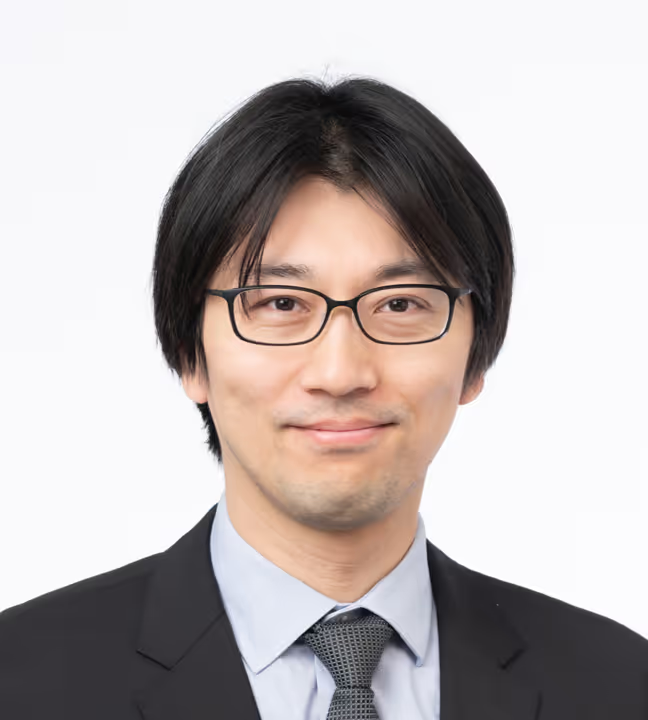
After finishing Ph.D. study on RNA modifications at The University of Tokyo, Prof. Dr. Yoshiho Ikeuchi conducted post-doctoral research in molecular and cellular neuroscience at the Harvard Medical School and Washington University, St. Louis until 2014. After returning to Japan, he has been conducting research on functional interrogation and engineering of neural organoids at the Institute of Industrial Science, The University of Tokyo.
Let’s Get Connected: Building Networks with Brain Organoids on HD-MEAs

Jan Lichtenberg, Ph.D., is the Co-Founder and CEO of InSphero Inc., a leading biotech company specializing in 3D cell-culture technologies for drug discovery and safety. InSphero’s patented 3D microtissues replicate organ tissues and disease states, providing more reliable and cost-efficient compound profiling. Since its founding in 2009, InSphero has grown to 75 employees in Switzerland and the US, working with all top 15 global pharmaceutical companies. Jan previously held VP positions at Hocoma AG and Uwatec and led a research group at ETH Zurich. He earned his Ph.D. from the University of Neuchâtel. Jan served on the Board of the Society of Laboratory Science and Screening (SLAS) from 2021-2022, becoming President in 2023, and is a Board Member for Tessara Therapeutics, Scailyte Bioscience, and Venturekick.
Shaping the Future of Drug Testing: Scalable 3D Tissue Models Meet a Human-Centric Regulatory Era
The adoption of physiologically relevant 3D tissue models, such as organoids and spheroids, is rapidly transforming drug discovery and safety testing in the pharmaceutical and biotech industries. These models offer significant advantages over traditional 2D cultures and animal testing, including improved predictivity, scalability, and compatibility with high-content analysis. Recent regulatory shifts are accelerating this transition: the U.S. Food and Drug Administration (FDA) has formally acknowledged the relevance of non-animal methods under the FDA Modernization Act and by declaring phasing out animal testing for monoclonal antibodies, and the National Institutes of Health (NIH) has announced a strategic funding shift prioritizing human-based in vitro models. These developments not only underline the scientific merit of advanced in vitro systems but also remove key adoption barriers for industry stakeholders.
This presentation will illustrate how these regulatory and funding changes are driving the broader implementation of 3D microtissue platforms in pharmaceutical R&D. A case study from liver safety testing will demonstrate how standardized 3D spheroid liver models are being integrated into compound evaluation pipelines across multiple companies. The recurring use of these models highlights their reproducibility, scalability, and relevance to human biology. Together, these advances mark a pivotal shift toward more ethical, efficient, and human-centric drug development.
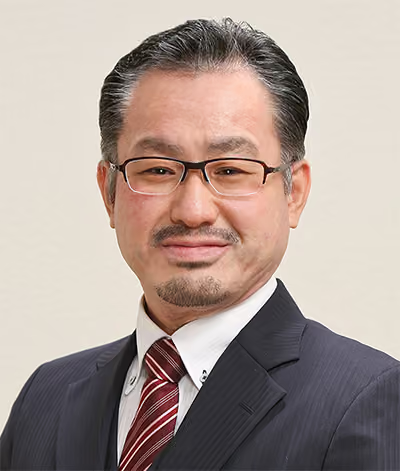
Prof. Ikeya received his Ph.D. from the Graduate School of Science, Kyoto University in 2001. He worked as a Researcher at RIKEN CDB from 2001 to 2009, then served as Associate Professor at IMEG, Kumamoto University from 2009 to 2010. From 2010 to 2011, he worked as a Researcher at IFMS, Kyoto University and since 2011, he has been Associate Professor at CiRA, Kyoto University. Since 2016, he has served as Principal Investigator at T-CiRA (Takeda-CiRA Joint Program for iPS Cell Applications).
In 2018, he received the Murao Scholarship Association Academic Encouragement Prize, the Japanese Society for Regenerative Medicine Award, and the German Innovation Award Gottfried Wagener Prize. In 2019, he was honored with the Commendation for Science and Technology by the Ministry of Education, Culture, Sports, Science and Technology (MEXT).
Modeling Hindbrain and Peripheral Neurons from Human iPSCs: Toward Functional Analysis with MEA
Human induced pluripotent stem cells (iPSCs) enable the modeling of region-specific neural development in vitro. In this presentation, we first introduce our novel culture system for generating and maintaining hindbrain-like neural stem cells (Hb-LiNSCs) using a combination of Wnt activation and dual SMAD inhibition. These Hb-LiNSCs exhibit stable regional identity, chromosomal integrity, and long-term multipotency. We then present our approach for deriving multipotent, self-renewing neural crest stem cells (NCSCs), which give rise to peripheral neural lineages. Both systems serve as robust platforms for studying human neural development. Importantly, we demonstrate the use of multi-electrode array (MEA) technology to assess the functional maturation and neural activity of differentiated cells. This integrative approach holds promise for disease modeling, drug screening, and regenerative medicine.
Scientific
Topics
Neural Stem Cells
and Organoids
Brain
Development
Disease Modeling
and Drug Discovery
Cutting-Edge
Neuroengineering
Advanced Electrophysiology
Techniques
Computational
Neuroscience
Program
Details
Tuesday, July 8 | Session 1 & 2
10:00 - 10:10
Registration and Welcome Coffee
10:00 - 10:35
Modeling Hindbrain and Peripheral Neurons from Human iPSCs: Toward Functional Analysis with MEA
Prof. Makoto Ikeya | Center for iPS Cell Research and Application, Kyoto University, Japan
10:35 - 11:00
Combining HD-MEAs with Microengineering and Molecular Analysis for Neural Network Studies
Prof. Kenta Shimba | The University of Tokyo, Japan
11:00 - 11:10
Break
11:10 - 11:35
Shaping the Future of Drug Testing: Scalable 3D Tissue Models Meet a Human-Centric Regulatory Era
Dr. Jan Lichtenberg | InSphero, Switzerland
11:35 - 12:00
Regulatory Landscape of iPSC-derived Neurons and MEA Platforms for Seizure Risk and Developmental Neurotoxicity Assessment
Dr. Yasunari Kanda | National Institute of health Sciences (NIHS), Japan
12:00 - 13:00
Lunch Break
13:10 - 13:20
MxW News
MaxWell Biosystems, Switzerland
13:20 - 13:55
Flash Talks
Prof. Dai Akita | University of Tokyo, Japan
Shinnosuke Nomura | Tsukuba University, Japan
Yuki Miyahara | University of Tokyo, Japan
Yuta Kawahara | University of Tokyo, Japan
Yusaku Yamagishi | University of Tokyo, Japan
13:55 - 14:20
Let’s Get Connected: Building Networks with Brain Organoids on HD-MEAs
Prof. Yoshiho Ikeuchi | The University of Tokyo, Japan
14:20 - 14:45
Does Synaptic Strength Encode Sleep Need?
Prof. Shoi Shi | University of Tsukuba, Japan
14:45 - 15:05
Break
15:05 - 15:20
Long-Term Dynamics in Firing Patterns of Cultured Hippocampal Neurons
Prof. Nobuyoshi Matsumoto | The University of Tokyo, Japan
15:20 - 15:45
Neural Organoids - the Original History and its Application
Dr. Hideya Sakaguchi | RIKEN Center for Biosystems Dynamics Research (BDR), Japan
15:50 - 16:30
Keynote: Modeling and Drug Development for Neurodegenerative Diseases using iPSCs Technologies
Prof. Hideyuki Okano | Keio University Regenerative Medicine Research Center, Japan
16:30 - 16:45
Closing Remarks
16:45 - 17:45
Networking Apero with Swiss Wine and Cheese
Venue
Campus Plaza Kyoto
The MxW Symposium Kyoto 2025 will take place at the Campus Plaza Kyoto, located in Nishinotoin-dori Shiokoji, Shimogyo-ku, Kyoto-shi at Hall 2F.