Human Nervous System Models to Accelerate Clinical Translation Symposium
The HNS Models to Accelerate Clinical Translation will bring together leading neuroscientists to explore how human brain function can be studied and modelled, with the shared goal of accelerating clinical translation in neurology and psychiatry. Across two days of curated scientific talks and a dedicated hands-on workshop, the meeting will showcase state-of-the-art approaches to generating, analyzing, and interrogating human brain tissue in vitro.
The programme will feature more than ten lectures from international and national experts in thematic sessions covering advanced 2D and 3D cellular models of complex neural tissues, cutting-edge analytical methods, including electrophysiology, bioinformatics, imaging, genomics, and drug screening, and iPSC-based models of neurodevelopmental, neurodegenerative, and psychiatric disorders. Dedicated sessions will also address in vitro models of neural aging and include panel discussions on clinical translation, emerging biotechnologies, and future directions in the field.
The third day will host an immersive workshop in the Bardy Lab at SAHMRI, with hands-on training in brain organoid generation, 3D bioprinting of neural tissues, drug screening workflows, and advanced electrophysiological assays showcasing the power and versatility of the MaxWell Biosystems' platforms.
The meeting will further foster exchange through lightning talks, poster sessions from early-career researchers, and a social networking event. Together, this conference offers a unique platform to connect fundamental neuroscience, innovative technologies, and translational impact in human brain research.
Speaker Lineup
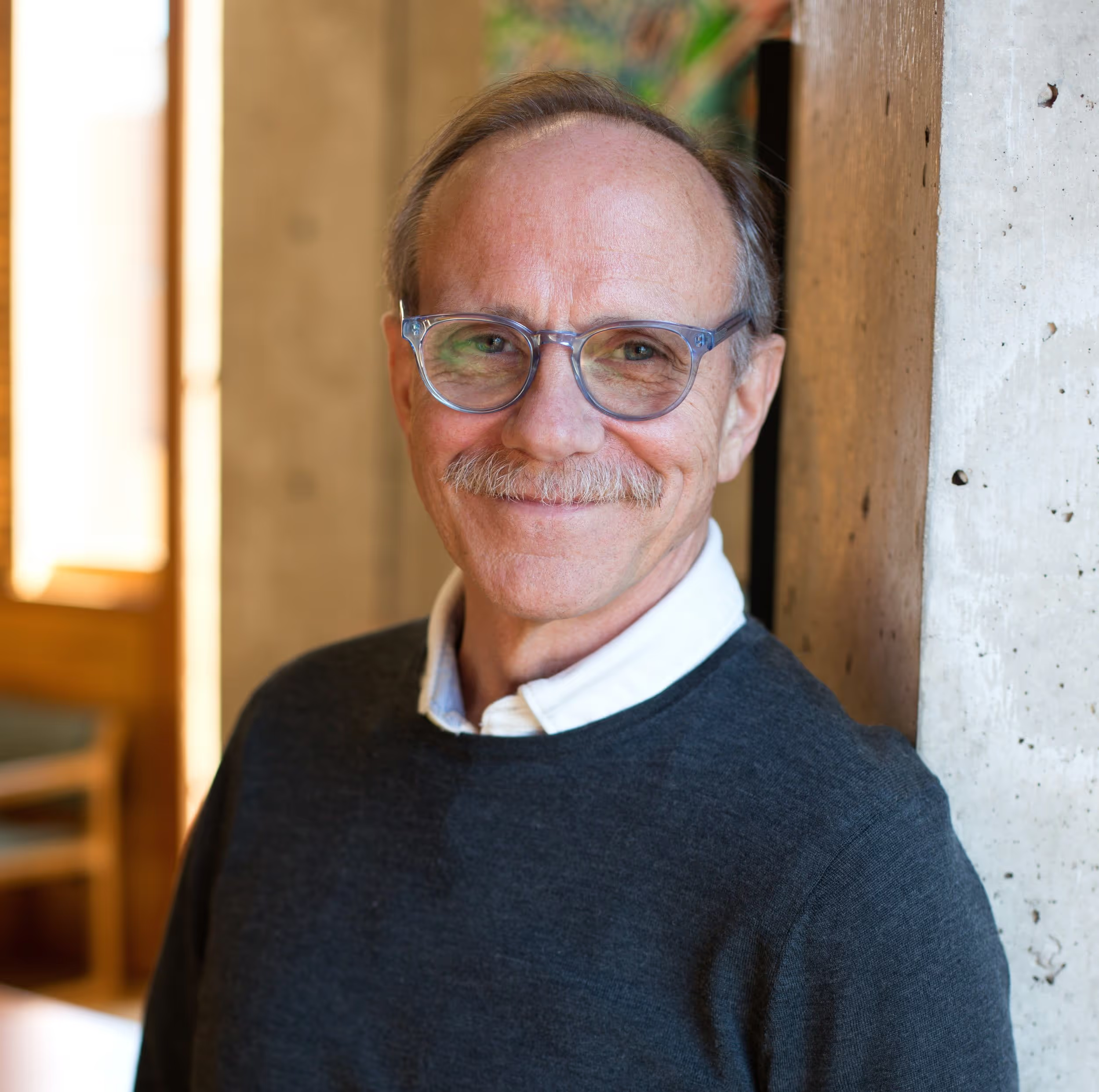
Dr. Gage is the Adler Professor in the Laboratory of Genetics, and immediate past President of the Salk Institute, and an Adjunct Professor, UCSD. He received his Ph.D. from The Johns Hopkins University. Dr. Gage's work concentrates on the adult central nervous system and unexpected plasticity and adaptability to environmental stimulation that remains throughout the life of all mammals. In addition, he models human neurological and psychiatric disease in vitro using human stem cells. His lab also studies the genomic mosaicism that exists in the brain as a result of mobile elements that are active during neurogenesis.
Dr. Gage is a Fellow of the AAAS, a Member of the National Academy of Sciences and the National Academy of Medicine, and American Philosophical Society, a foreign member of the EMBO and a Member of the American Academy of Arts and Sciences.He served as President of the Society for Neuroscience in 2002, and of the International Society for Stem Cell Research in 2012.
Modeling human neuronal aging and disease
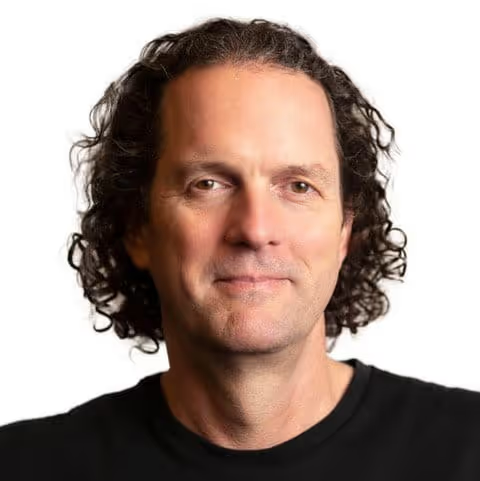
Ed Lein is a Senior Investigator at the Allen Institute for Brain Science and an Affiliate Professor in the Departments of Neurological Surgery and Laboratory Medicine and Pathology (DLMP) at the University of Washington. He received a B.S. in biochemistry from Purdue University and a Ph.D. in neurobiology from UC Berkeley and performed postdoctoral work at the Salk Institute for Biological Studies. Ed joined the Allen Institute in 2004 and has provided scientific leadership for the creation of large-scale anatomical, cellular and gene expression atlases of the adult and developing mammalian brain as catalytic community resources, including the inaugural Allen Mouse Brain Atlas and a range of developmental and adult human and non human primate brain atlases. Particular current research interests involve the use of single cell genomics as a core phenotype to understand brain cellular organization, mammalian conservation and human specificity, define cellular vulnerability in disease, and identify regulatory elements that allow cell type-specific targeting and manipulation. He leads the Human Cell Types Department, which aims to create comprehensive cell atlases of the human and non-human primate brain, understand what is disrupted in Alzheimer’s disease, and create tools for precision genetic targeting of brain cell types as transformative tools for basic neuroscience and gene therapy. He is also a member of the BRAIN Initiative Cell Atlas Network (BICAN), a member of the Organizing Committee of the Human Cell Atlas (HCA), and a CIFAR fellow. Ed's areas of expertise include developmental neurobiology, structural and cellular neuroanatomy, transcriptomics and epigenomics, comparative neurobiology, and Alzheimer’s disease. His research program work encompasses brain cell atlasing, comparative neurobiology, Alzheimer’s disease, and gene therapy.
Mapping and targeting vulnerable cell populations in brain disease
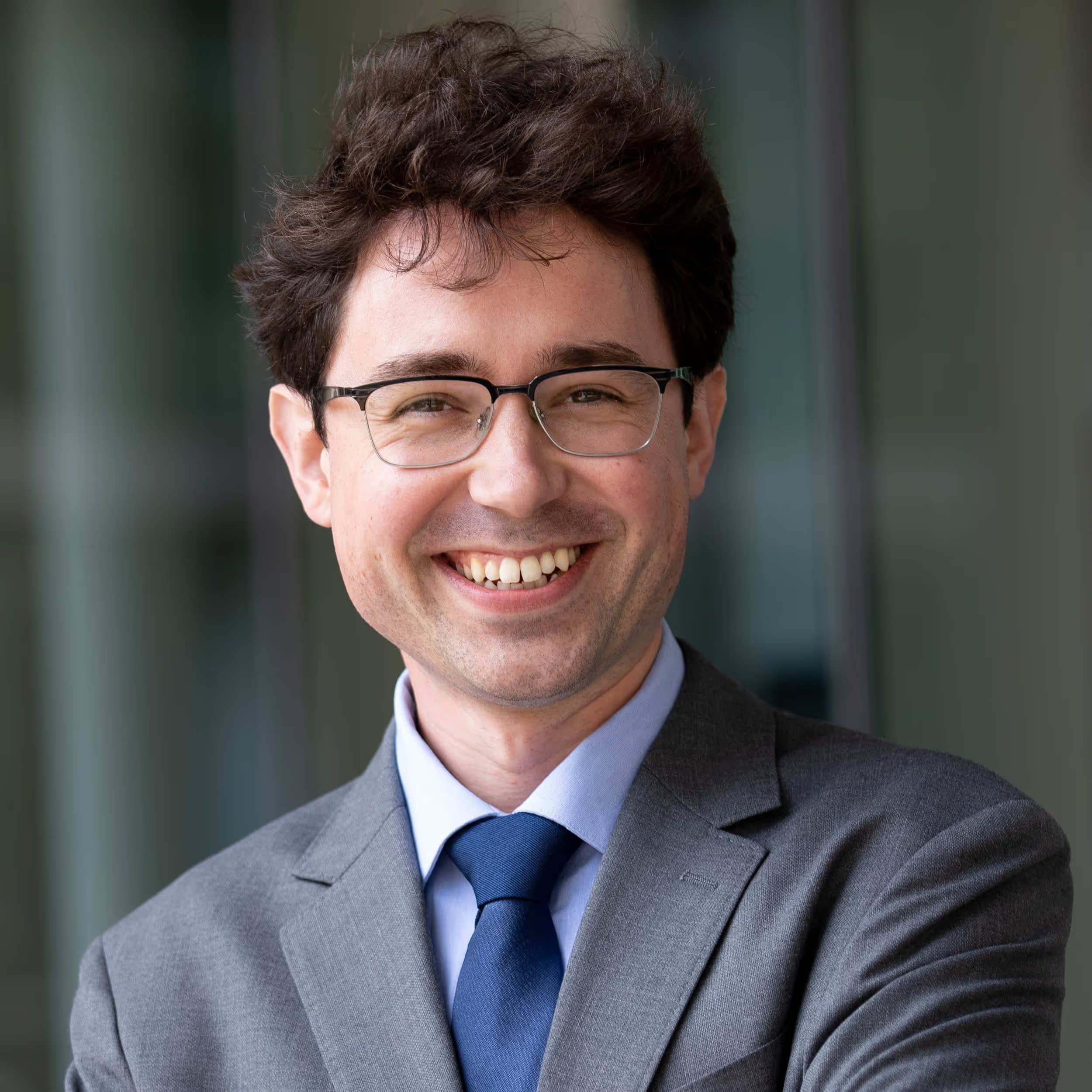
Dr. Tom Nowakowski is an Associate Professor of Neurological Surgery at the University of California, San Francisco (UCSF), with joint appointments in Anatomy, Psychiatry, and the Eli and Edythe Broad Center for Regeneration Medicine and Stem Cell Research. He earned his PhD in Biomedical Sciences at the University of Edinburgh and completed postdoctoral training at UCSF before joining the UCSF faculty in 2017. His research centers on human brain development, particularly cortical neurogenesis and gene regulatory networks, with the overarching goal of establishing the human brain as a primary model system for neuroscience. His lab develops scalable tools to map cell lineage, neuronal fate decisions, and synaptic connectivity in human brain tissue. This work has led to key discoveries, such as redefining the timeline of neuron and glia production and uncovering epigenetic maps of cortical areas.
Dissecting mechanisms underlying psychiatric disorders using genomics and proteomics

Dr. Jerome Mertens is a stem cell biologist and Associate Professor and Riford Chair for Neurodegenerative Disease and Dementia at the Department for Neurosciences of the University of California San Diego, and Adjunct at the Salk Institute for Biological Studies. He obtained his PhD at the University of Bonn working on induced pluripotent stem cell (iPSC) models for Alzheimer’s Disease with Oliver Brüstle, and continued his research as a postdoc with Rusty Gage at the Salk Institute. Dr. Mertens’ lab focuses on modeling human brain aging and age-related neurodegenerative and other neurological disorders using patient-specific cellular reprogramming models. To study the interface between human biological aging and neurodegeneration, the lab uses direct conversion of human donor fibroblasts into induced neurons (iNs) to generate human patient-specific models that retain important aging information of their donors. Because iPSC reprogramming erases the aging information of somatic cells, the Mertens lab combines iN and iPSC technologies with functional genetics, next-generation sequencing techniques, and other ‘multi-omics’ strategies to complement functional cell biological approaches related to aging and neurodegeneration. The ultimate goal is to better understand age-related disorders via elucidating the interplay between genetic, non-genetic human age-related cellular changes and disease pathways.
From old skin to old brain: Direct conversion to explore interface between neuronal ageing and disease
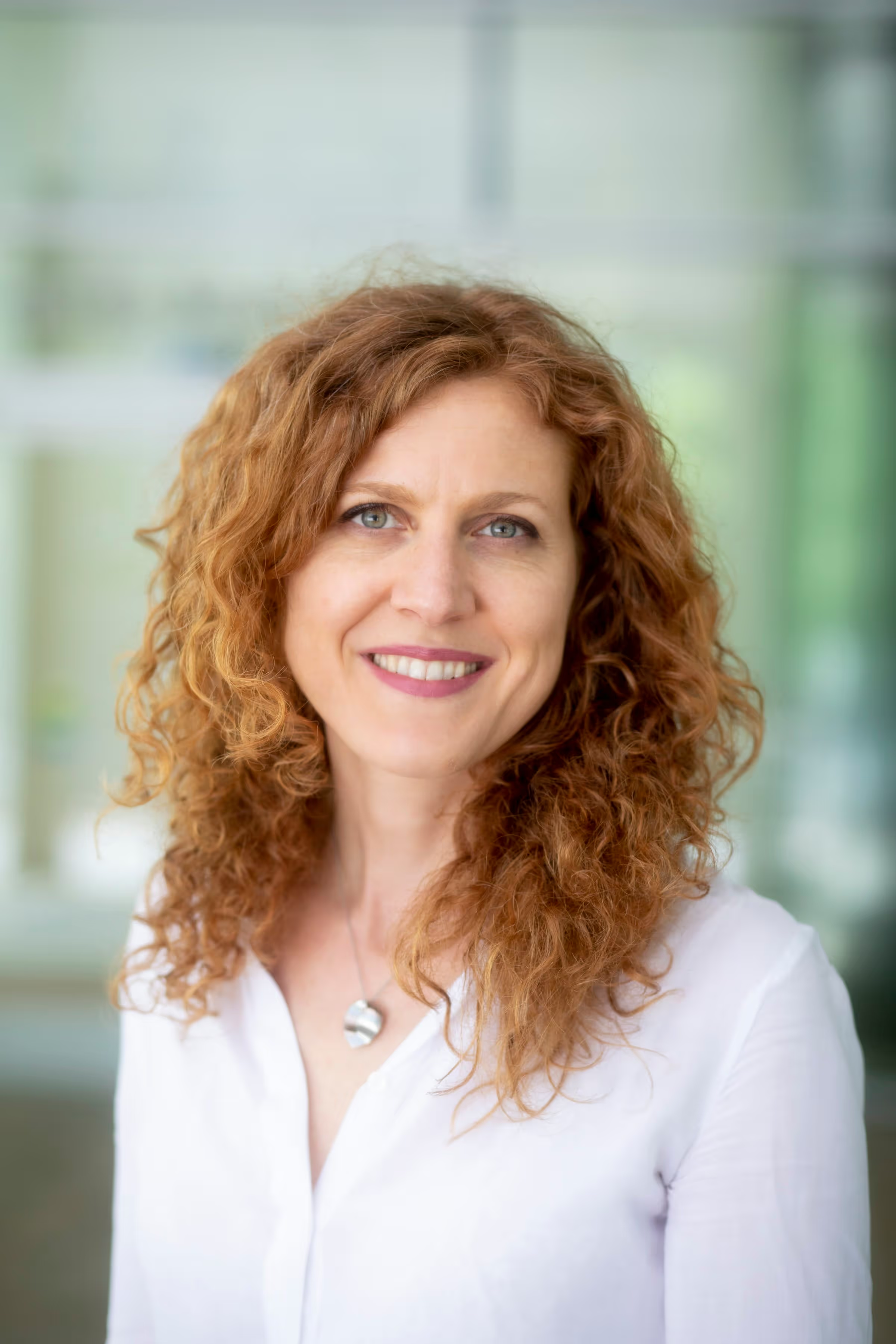
A/Prof. Silvia Velasco leads the Neural Stem Cells Laboratory at the Murdoch Children's Research Institute and is Principal Investigator at the Novo Nordisk Foundation Center for Stem Cell Medicine, ReNEW, in Melbourne, Australia. Her laboratory uses advanced pluripotent stem cell-derived neural organoid models to study human brain development, understand brain diseases, and develop new and effective therapies. Her research interest in stem cell biology and developmental neuroscience began during her postdoctoral training at New York University and The Broad Institute of MIT and Harvard, in the USA. She completed her Ph.D. in Human Biology at the University of Turin in Italy.
Unlocking the potential of brain organoids for understanding and treating neurodevelopmental disorders
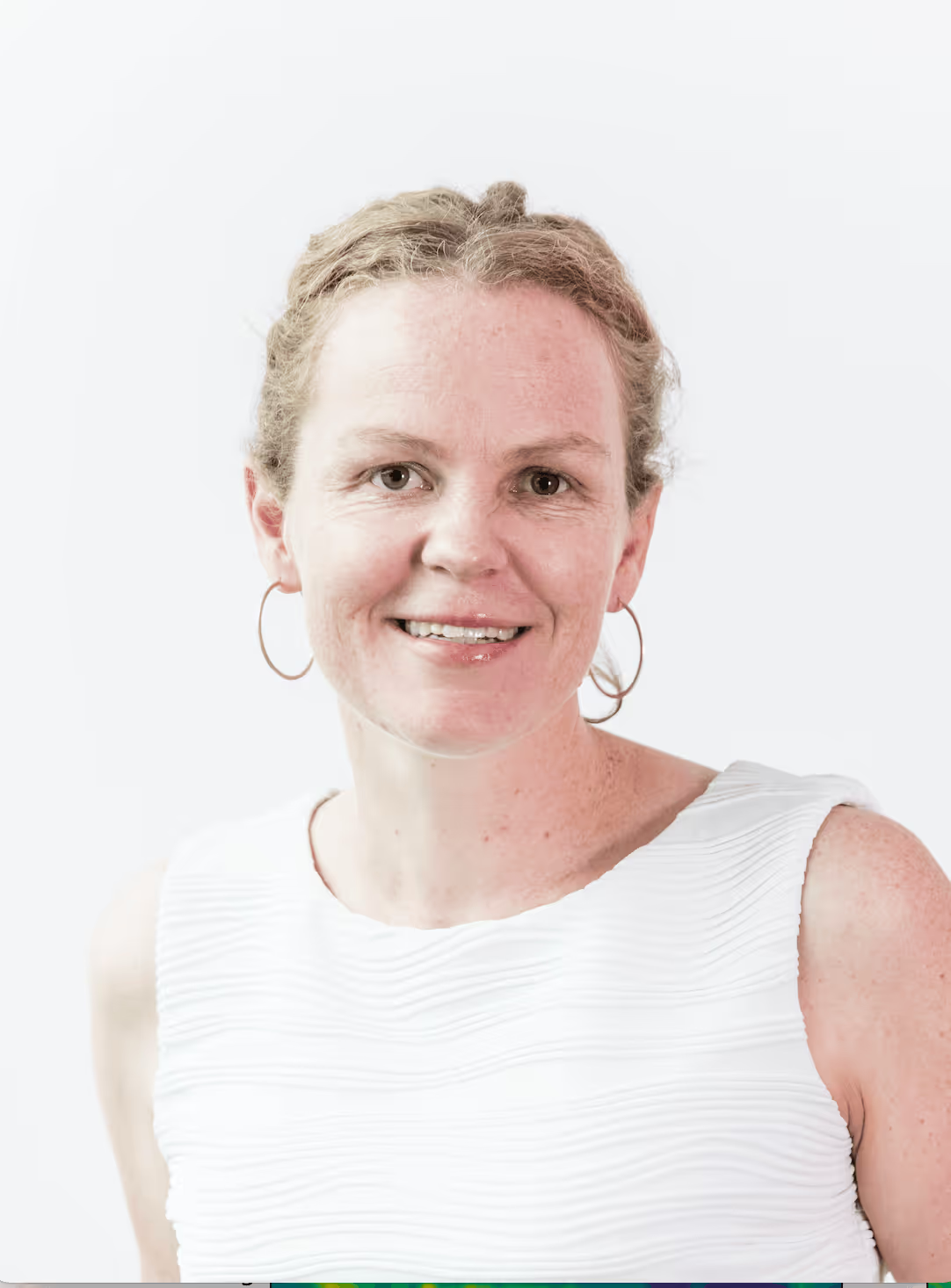
Professor Lucy Palmer is an ARC Future Fellow and NHMRC L1 Investigator who heads the Neural Network Laboratory at the Florey Institute of Neuroscience and Mental Health, University of Melbourne, Australia. She completed her Master of Science at the University of Minnesota, Ph.D at the Australian National University, and was a postdoctoral researcher at the University of Bern, Switzerland and Charite University, Berlin. Her research uses single cell imaging and electrophysiological techniques in human and mouse tissue to investigate dendritic integration during memory formation and how neural excitability is influenced by brain cancer.
The neuroscience of brain cancer: electrophysiological recordings from human neurons

Associate Professor Anai Gonzalez-Cordero is a Al & Val Rosenstrauss Fellow, and a Group Leader at Children’s Medical Research Institute (CMRI), with a co-joint appointment at The University of Sydney. Dr Gonzalez-Cordero is a leader in the field of stem cells and their differentiation into organoids with an emphasis on translational research to develop novel therapies for retinal genetic diseases. Having started her scientific career in the UK, she obtained a Wellcome Trust PhD in Stem Cell and Developmental Biology and continued her work at the Institute of Ophthalmology, University College London. In 2019, Dr Gonzalez-Cordero relocated to Australia to continue her research programme in stem cells and ophthalmology. Her work in the field has led to numerous awards, including the MetCalf Prize for Stem Cell Research in 2022, and high impact studies including proof-of-concept studies for stem cell-based cell therapy by transplantation of the light sensing cells, the photoreceptor cells, which once in the eye can rescue vison perception in blind animal models. Anai is a Board member for Retina Australia, the current Vice-President of the Australasian Society for Stem Cell Research (ASSCR) and a founding member of the NSW Organoid Innovation Centre and the Non-Animal technologies Network (NAT-Net). At CMRI she also heads the Stem Cell and Organoid Facility proving iPSC lines and human organoid models for Australian researchers.
Using stem cells and retinal organoids to develop advanced cell therapy for blindness
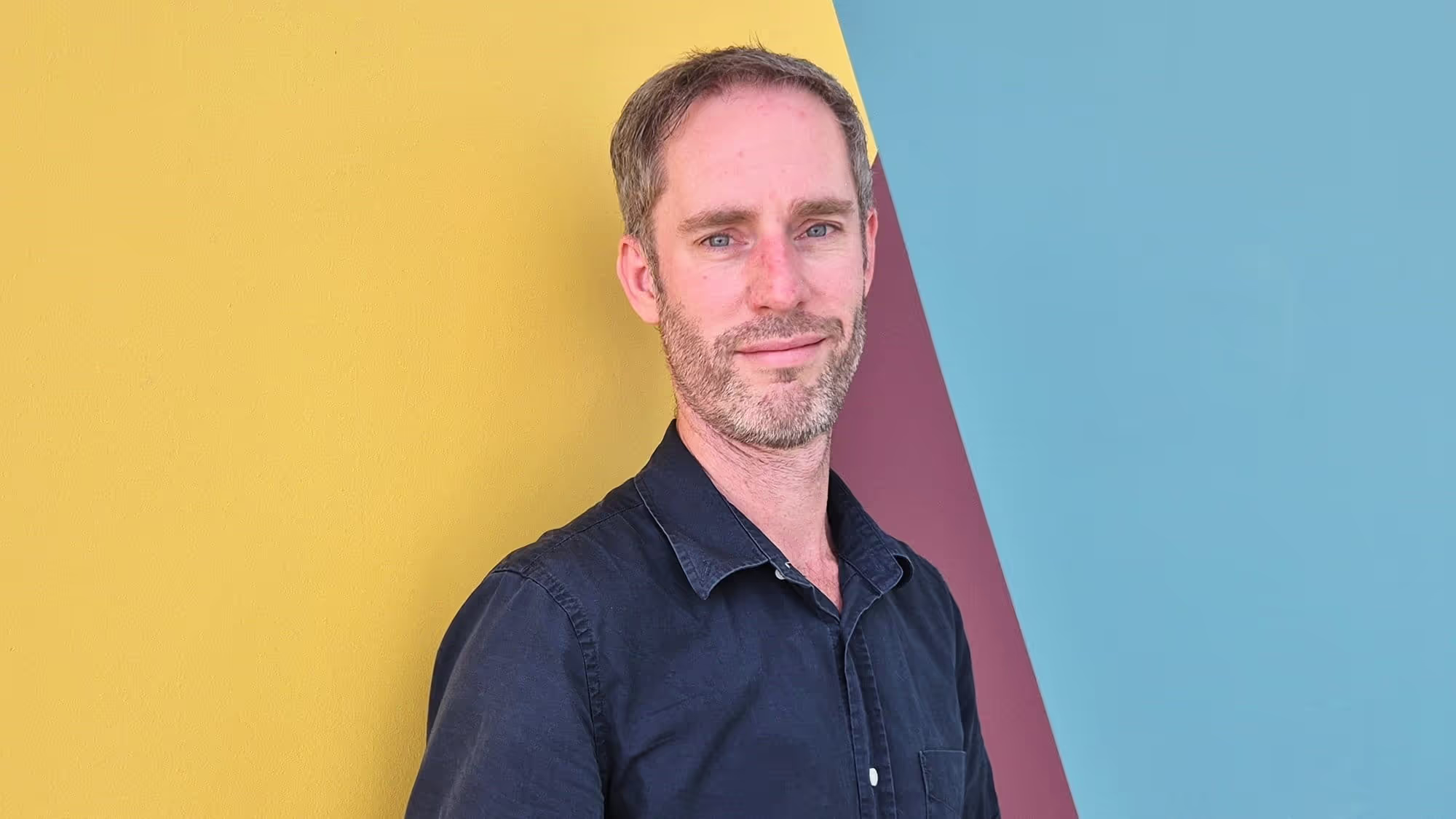
Dr Bye leads the MND Drug Screening & Precision Medicine Program at the Florey Institute of Neuroscience. Focusing on the predominant sporadic form of MND/ALS, his team have generated an iPSC library with over 100 MND lines, recapitulated the hallmark degeneration of motor neurons from sporadic MND donors, and established a large-scale drug screening pipeline to identify and test new therapeutics for people with MND.
Develoipment of SMART AAVs for Friedreich Ataxia gene therapy via iPSC-based platformsPopulation-scale modelling and drug discovery in sporadic MND patiend-derived motor neurons

Professor Mirella Dottori is Head of the Stem Cell and Neural Modelling Laboratory within the School of Medical, Indigenous and Health Sciences, University of Wollongong. Her research expertise combines technologies in human pluripotent stem cell biology, neuroscience and bioengineering to develop cellular models of the human nervous system. Recognition of Dottori’s research achievements includes fellowship awards from Human Frontiers, NHMRC and ARC, and is a current member of Australian Research Council College of Experts.
Develoipment of SMART AAVs for Friedreich Ataxia gene therapy via iPSC-based platforms
Friedreich ataxia (FRDA) is an inherited disease whereby mutations in the Frataxin (FXN) gene causes progressive neurodegeneration and cardiomyopathy in FRDA individuals. Gene therapy is currently at the forefront as a potential approach to successfully treat FRDA. However, a major limitation is to identify suitable ‘SMART’ Adeno-associated virus (AAV) variant/s that can target both neural and cardiac tissues and avoid viral-induced liver toxicity. Furthermore, AAV-mediated delivery of FXN needs to be within a physiologically tolerant range, as high cellular Frataxin levels may induce cell toxicity. To address these challenges, we utilised FRDA iPSC-based platforms of dorsal root ganglia sensory neurons, cardiomyocytes and cerebellar organoids, together with human liver organoids, to screen AAV libraries containing both clinically available and novel bioengineered AAV variants. The iPSC-based platforms were also used to screen for suitable promoters to drive FXN expression within the AAV vectors. The major outcome of these studies is the development of novel and safe bio-engineered viral vectors to deliver Frataxin to disease-relevant target tissues.

Cedric is an ARC Future Fellow, Matthew Flinders Professor, and group leader at the South Australian Health and Medical Research Institute (SAHMRI) and Flinders University. He currently leads the Laboratory for Human Neurophysiology and Genetics (www.bardylab.com) and serves as the founding Director of the Brain Organoid Therapeutics Screening Platform (www.brainorganoidtherapeutics.com) based at SAHMRI.
Cedric’s research team focuses on developing therapeutics for adult and pediatric neurodegenerative disorders and brain cancer and plays a pioneering role in advancing human brain models in vitro. Cedric is internationally recognised for inventing BrainPhys™, a widely used neuromedium to culture human brain cells in vitro, and for groundbreaking contributions to using iPSCs to study genetic brain disorders.
Drug Discovery with patient-derived neural iPSC models: Scaling up screens for effective therapeutics, with less neurotoxicity
Scientific
Topics
Current strategies and protocols for cell-based 2D and 3D models of complex human neural tissues
Cutting-edge analytical methods (bioinformatics, drug screens, electrophysiology, imaging and genomics)
iPSC models of brain disorders, neurodegeneration and neurodevelopmental diseases.
Neural aging models in vitro.
Visit the official Webpage of the Event