From Zurich to Adelaide: The Story Behind the HNS Models Symposium Australia 2026
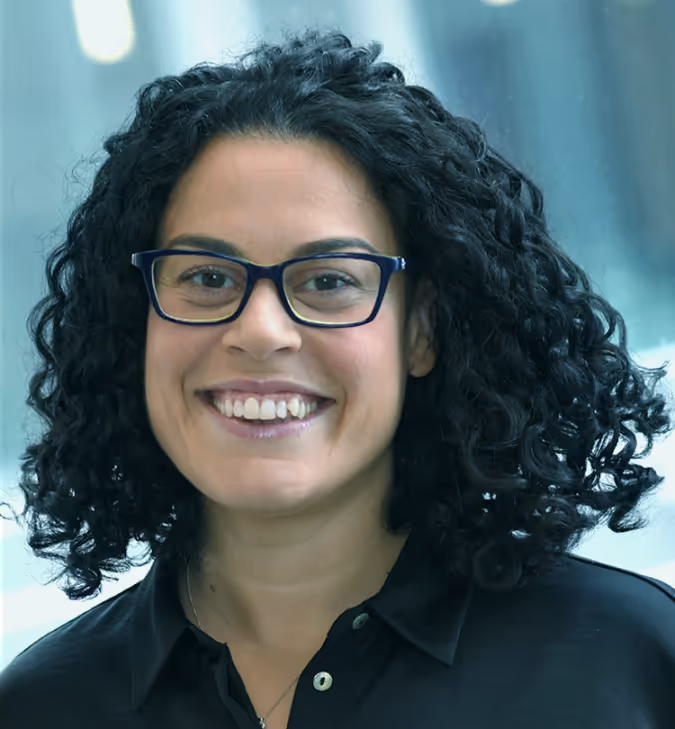
How a scientific conversation sparked an international symposium on human nervous system models, collaboration, and clinical translation.
Author
Date
Some scientific meetings are valuable because of the talks. Others are memorable because of the people they bring together. The HNS Models Symposium Australia 2026 in Adelaide was both.
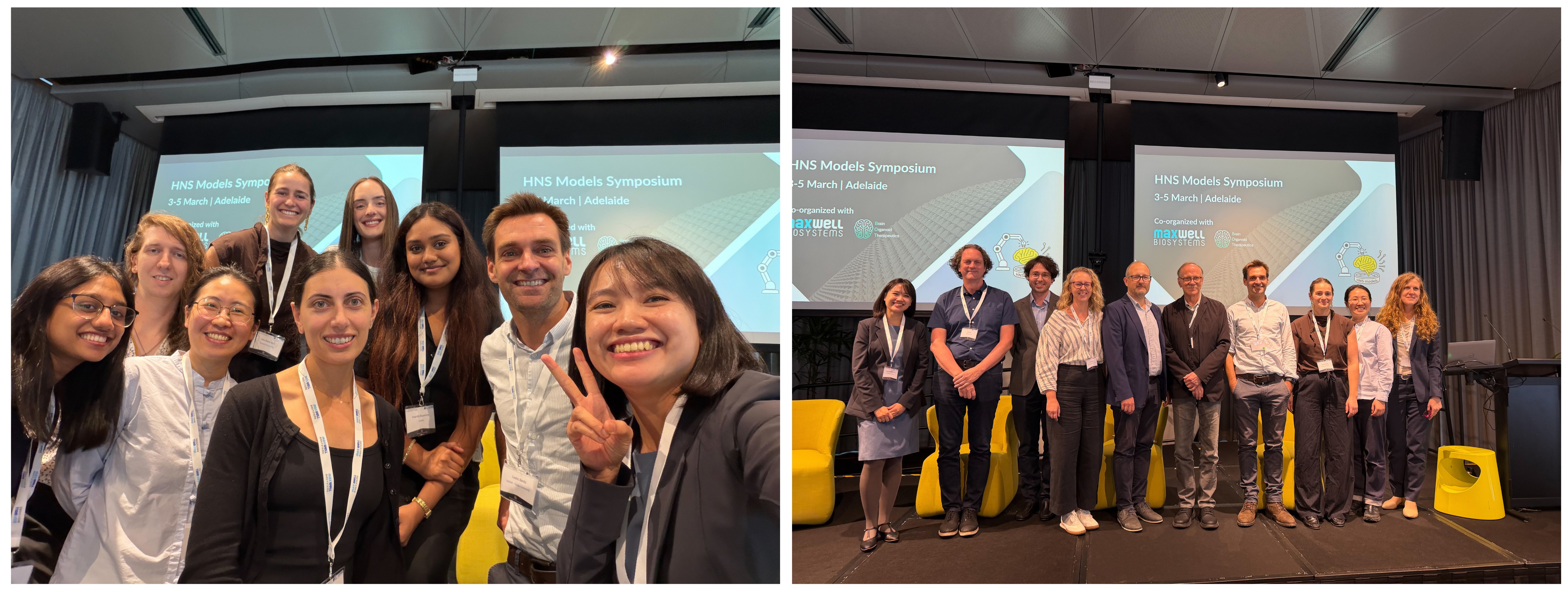
From 3 to 5 March 2026, MaxWell Biosystems, Brain Organoid Therapeutics and the Bardy Lab co-organized the Human Nervous System (HNS) Models Symposium, hosted by SAHMRI and Flinders University. Under the theme “Human Nervous System Models to Accelerate Clinical Translation”, the symposium created a space where researchers working with human nervous system models could share ideas across disciplines, technologies and institutions, and they did so with an unusually open, collaborative spirit.
Great scientific collaborations often begin with a simple conversation. Sometimes it then takes nearly two years, countless meetings across time zones, and a shared commitment to bring that conversation to life. And the story of this symposium began long before anyone arrived in Adelaide.
It all started with a conversation
During the 4th edition of the 2D and 3D Neuronal Network Summit (aka MxW Summit 2024) in Zurich, Prof. Cedric Bardy joined us as a Keynote Speaker. Beyond the scientific presentations, the Summit created opportunities for researchers to connect, exchange ideas, and imagine new collaborations.
One of those conversations, between Cedric and Dr. Marie Obien from MaxWell Biosystems, planted the seed for what would become the HNS Models Symposium.
“I still remember meeting Cedric during my first weeks at MaxWell Biosystems as an intern. My colleagues had carefully briefed me on everything he had contributed to the field, but I believe the only thing I managed to tell him was where the kitchen was! I could hardly have imagined that I would end up organizing a symposium with him and his team on the other side of the world.”
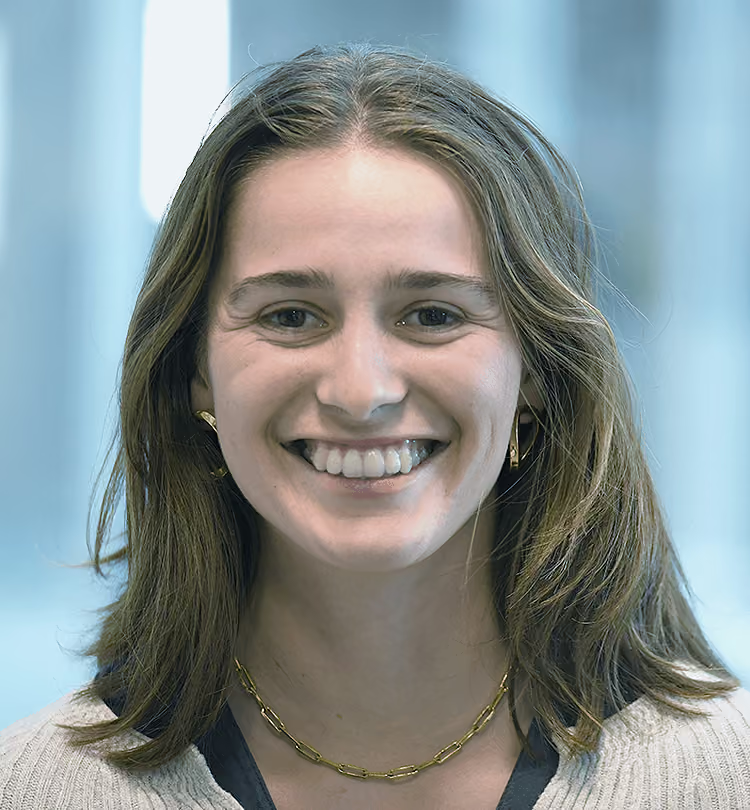
What followed was almost a year of preparation, with weekly meetings every Tuesday at 8 am Zurich time: one team wrapping up its working day in Adelaide as the other was just getting started. Big questions about the program and the speakers soon gave way to practical ones about audience and logistics, all driven by one shared goal: bringing leading neuroscientists together to discuss the future of human brain models and the tools needed to accelerate clinical translation. A shared purpose made the time difference feel like a minor inconvenience.
Three days, many perspectives, one scientific community
Across two days of curated talks and panel discussions at the SAHMRI Auditorium, followed by a day of hands-on workshops, the symposium brought together established leaders, early-career scientists, and researchers from many disciplines, all interested in understanding and modeling the human nervous system. The featured speakers included international leaders such as Prof. Fred Gage (Salk Institute), Prof. Ed Lein (Allen Institute) and Prof. Tomasz Nowakowski (UCSF), alongside many of Australia’s leading researchers in the field.
The program spanned cell-based 2D and 3D models of human neural tissue, including brain organoids and induced pluripotent stem cell (iPSC)-based models of neurodevelopmental and neurodegenerative disorders, and neural aging models, together with cutting-edge analytical methods: electrophysiology, imaging, genomics, bioinformatics and drug screening. Panel discussions on clinical translation and emerging biotechnologies tied these threads together around one shared challenge: turning increasingly sophisticated human models into meaningful insights for human health.
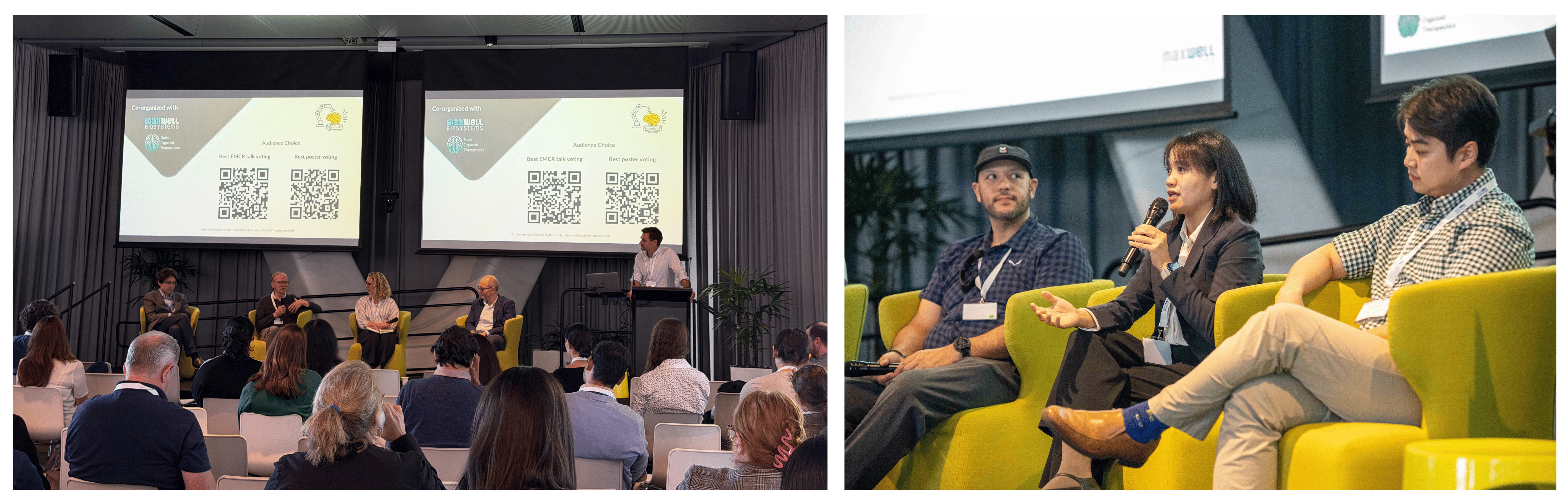
Australia is home to a dynamic neuroscience research ecosystem. By connecting local researchers with international experts, the symposium highlighted scientific excellence and strengthened relationships across geographical and disciplinary boundaries.
“The symposium was a wonderful opportunity to showcase the strength of the Australian neuroscience community while fostering connections with researchers from around the world. What stood out was the enthusiasm for collaboration and the openness to exploring new approaches together.”
Collaboration, not competition
One of the most striking aspects of the symposium was how collaborative it felt. Across academic groups and industry participants, the atmosphere was defined not by competition but by a shared desire to move the field forward. People joined each other’s workshops, exchanged ideas freely, and seemed genuinely interested in contributing to progress beyond their own corner of the field.
That spirit didn’t stop when the sessions ended. Conversations carried on through the coffee breaks and poster sessions, and well into the evening at the social event on the rooftop of the Mayfair Hotel, where the question was less “What are you working on?” and more “What could we work on together?”
Supporting the next generation of neuroscientists
Another strength of the symposium was the visibility it gave to early-career researchers. Through poster sessions, lightning talks and dedicated awards for the best posters and talks by early- and mid-career researchers (EMCRs), the program made it clear that supporting the next generation is not an add-on in this field, but part of how the community grows.
For many emerging scientists, presenting their work in the same program as leaders they had long cited was a chance to gain feedback, visibility and, just as importantly, new connections. For the more established researchers in the room, it was a glimpse of where the field is heading next.

From scientific discussions to hands-on neuroscience workshops
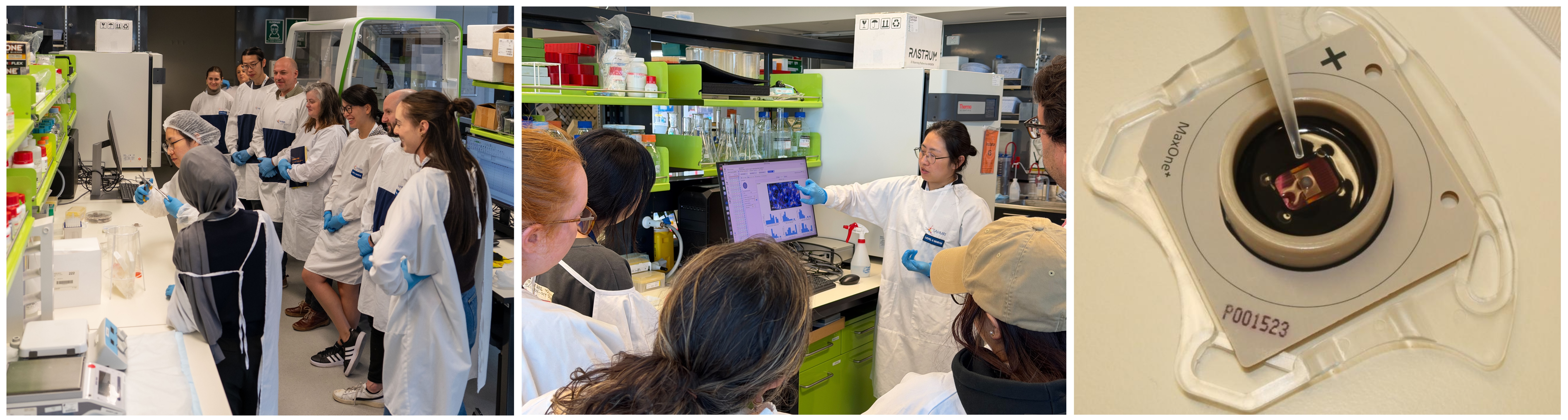
The third day moved from the auditorium to the lab. Participants could explore methods directly and ask practical questions about growing brain organoids, drug screening and advanced electrophysiological assays.
At the MaxWell Biosystems workshop, participants discovered how high-density microelectrode array (HD-MEA) technology captures electrical activity in neuronal cultures and brain organoids. Following an overview of organoid recording approaches, they experienced a live demonstration of organoid plating and acute electrophysiological recordings. Seeing neuronal activity appear in real time sparked questions about sample handling, data analysis and biological interpretation.
The variety of scientific backgrounds enriched the exchange: researchers looking at the same dataset from different perspectives brought different questions, showing the value of interdisciplinary collaboration. And in keeping with the spirit of the whole event, industry partners visited one another’s workshops and shared knowledge openly.
The people behind the science
HNS Models Symposium Australia 2026 was made possible by Prof. Cedric Bardy and his lab (Tulin, Alejandra, Ella, Sana, Imanthi, Inushi, Shara, Bridget and Zarina), who balanced the preparations with their own experiments, as well as the organizing committee, our hosts at SAHMRI and Flinders University, the speakers and participating researchers, and our fellow industry sponsors. From designing the program to coordinating the workshops, organizing the symposium was itself an exercise in collaboration.
“All in all, what I will remember most is the open collaboration and positive attitude of everyone involved. If Adelaide taught us anything, it is that the right people in the right room can spark something lasting.”
From Adelaide to Zurich: keeping the conversation going
At MaxWell Biosystems, we believe that bringing the scientific community together is an important part of advancing neuroscience. Our events are more than opportunities to present research and technologies: they are platforms for exchanging ideas and creating collaborations that continue after the event.
Adelaide set the bar high for what came next, and we wouldn’t have had it any other way. In September 2026, we brought the same spirit to Zurich with NeuMoS 2026, the Neuronal Models Symposium, dedicated to organoids, New Approach Methodologies (NAMs), and neural circuit assays for disease modeling and drug discovery. More than 200 participants came together for scientific presentations, posters and hands-on workshops. This time, in slightly colder weather.

Laura D'Ignazio
“We want our events to be more than individual moments on the scientific calendar. Our ambition is to create opportunities for researchers to connect, share experiences, and develop collaborations that continue long after the event ends. From the MxW Summit to HNS and NeuMoS, we see how bringing people together can spark new ideas and strengthen the neuroscience community.”
The next chapter starts with another conversation
Looking back at Adelaide, some of the most valuable outcomes cannot be captured in a program. They are found in conversations between sessions, questions asked during workshops, and connections that continue after everyone returns to their laboratories.
Two years ago, one such conversation at the MxW Summit helped set the HNS Models Symposium in motion. Who knows what the next one might inspire?
As we return to Australia for NeuroAlliance 2026, we look forward to reconnecting with this vibrant research community, continuing the discussions started in Adelaide, and discovering what new opportunities lie ahead.